Why Tech Workers Coalition?
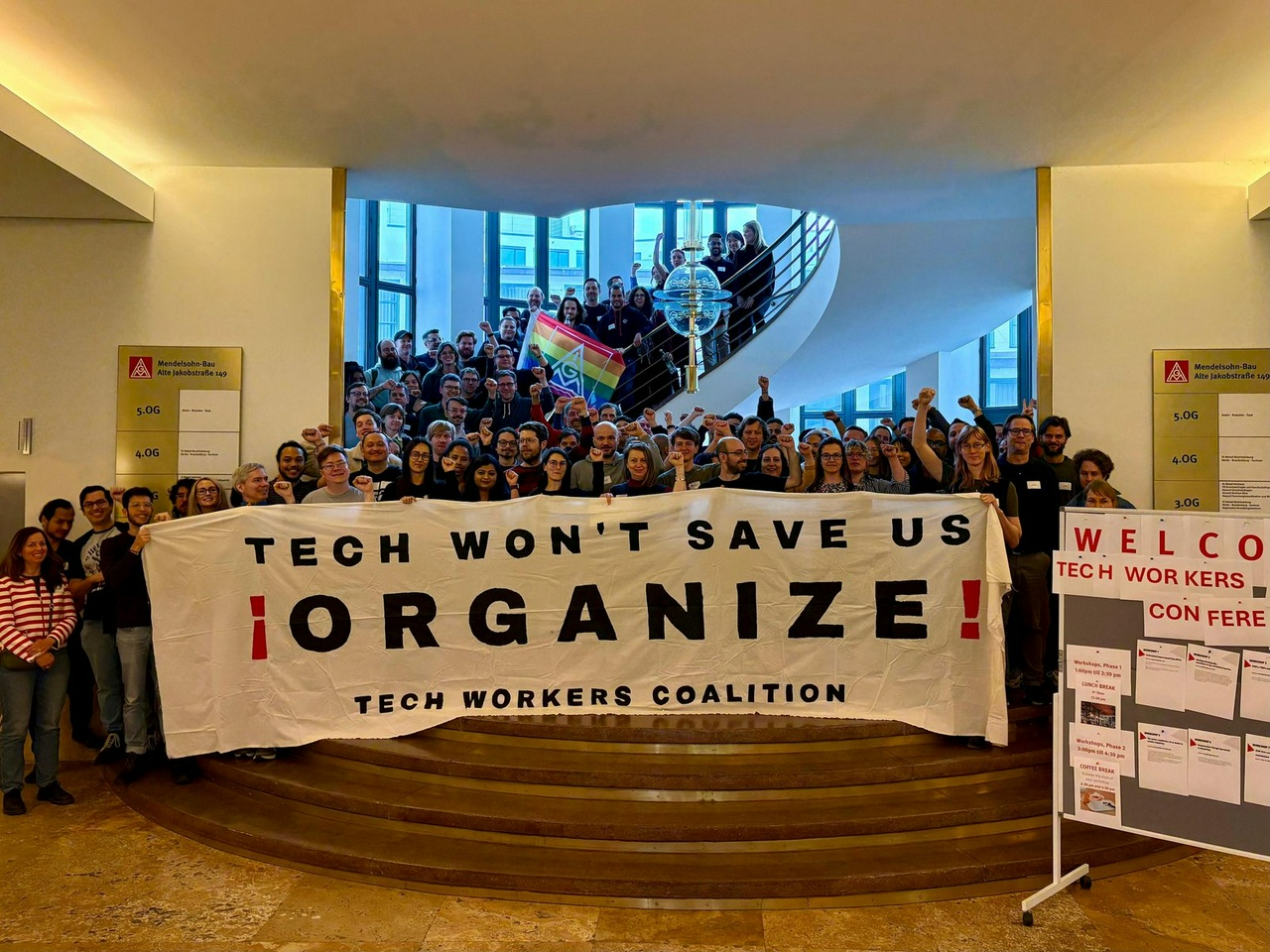
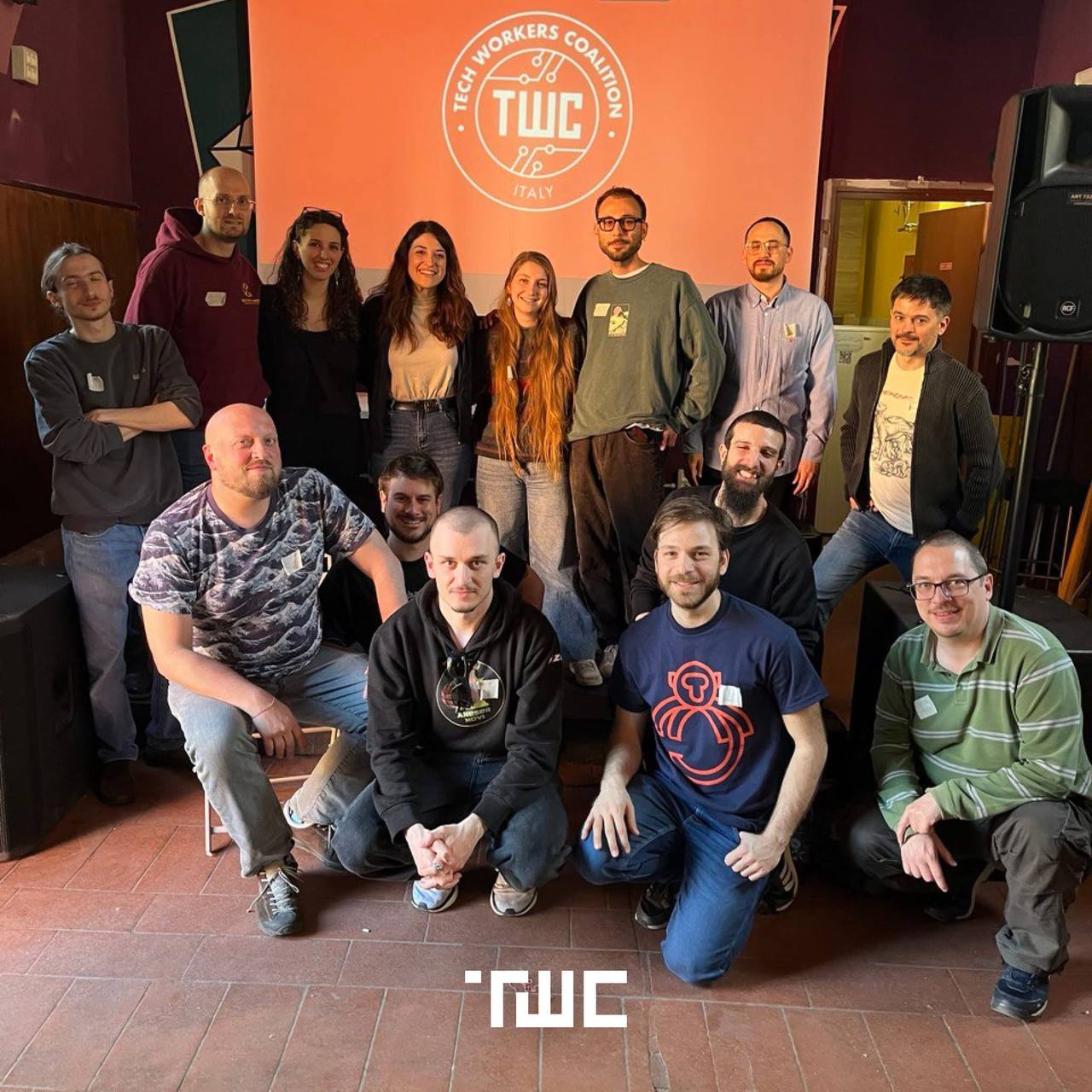
If you follow me, you might already know Tech Workers Coalition (TWC). For everybody else, TWC is an international organization that supports union and political organizing of workers within the tech sector. It's heavily decentralized and has chapters spread throughout North America and Europe. It includes every kind of profession in the field: developers, content moderators, designers, testers, sysadmins, data workers, customer service, and so on.
The organization, over the years, tried different paths to communicate to the outside what it does, why it does what it does, and what it would like to do in the future. The most recent iteration is probably this Identity Document, which gets regularly printed into flyers and handed to newcomers during onboarding sessions.
The challenge comes from different factors:
- Chapters across the world employ different strategies.
- TWC often has a complementary role, a relational role, or a role of stewardship, rather than striving for a direct impact. It's hard to explain TWC without explaining its local peers and their needs. It gets abstract very quickly.
- There aren't similar organizations taking a similar role at a global scale in other labor sectors. Therefore, it's hard to draw comparisons well-known to people.
I've been part of TWC for 7 years now. I helped start the Berlin chapter, then the Italian chapter, and in the last two years, the Global chapter. I've talked with hundreds of people participating in the communities, coached many chapter organizers, given workshops and onboarding sessions, and facilitated hundreds of meetings within TWC. It is now an integral part of my present and my past.
In this article, I want to give my take on why I do this, why I think it's important, and why some of you might want to join us. Because, ultimately, it is not so obvious and linear why somebody should be contributing their time to TWC rather than, for example, a union.
Let me preface by saying that I strongly believe that any healthy political ecosystem is composed of organizations aware of their own role. Constructive relationships are also built by behaving in a way that fosters the success of your peers and the health of the whole ecology, rather than by exclusively pursuing the success of your own ideas, your own model, and your own issues. In the context of political participation and activation, this often translates into growing the organization with just the right people, rather than growing indefinitely. Trying to incorporate everybody and preventing them from joining organizations with slightly different values or goals turns political engagement into a zero-sum game. That means that we often invite workers NOT to join TWC if it's not the right thing for them, and rather do direct workplace organizing, join a union, or a party.
This article, then, while advocating for the merit and worth of participating in TWC, should be seen primarily as a useful tool to decide if you might be a good fit for TWC or if you should rather join a different space.
So, why Tech Workers Coalition? Why should you join? And how would your effort translate into impact?
Unions struggle to reach, involve, and connect tech workers
One of the most recognized contributions of TWC has always been its ability to complement unions at the local level. Often stuck in a Fordist mindset, unions struggle to grasp the implications of cognitive labor and its specificities, worsening the gap of language, culture, and aesthetics between unions and office workers in the tech sector.
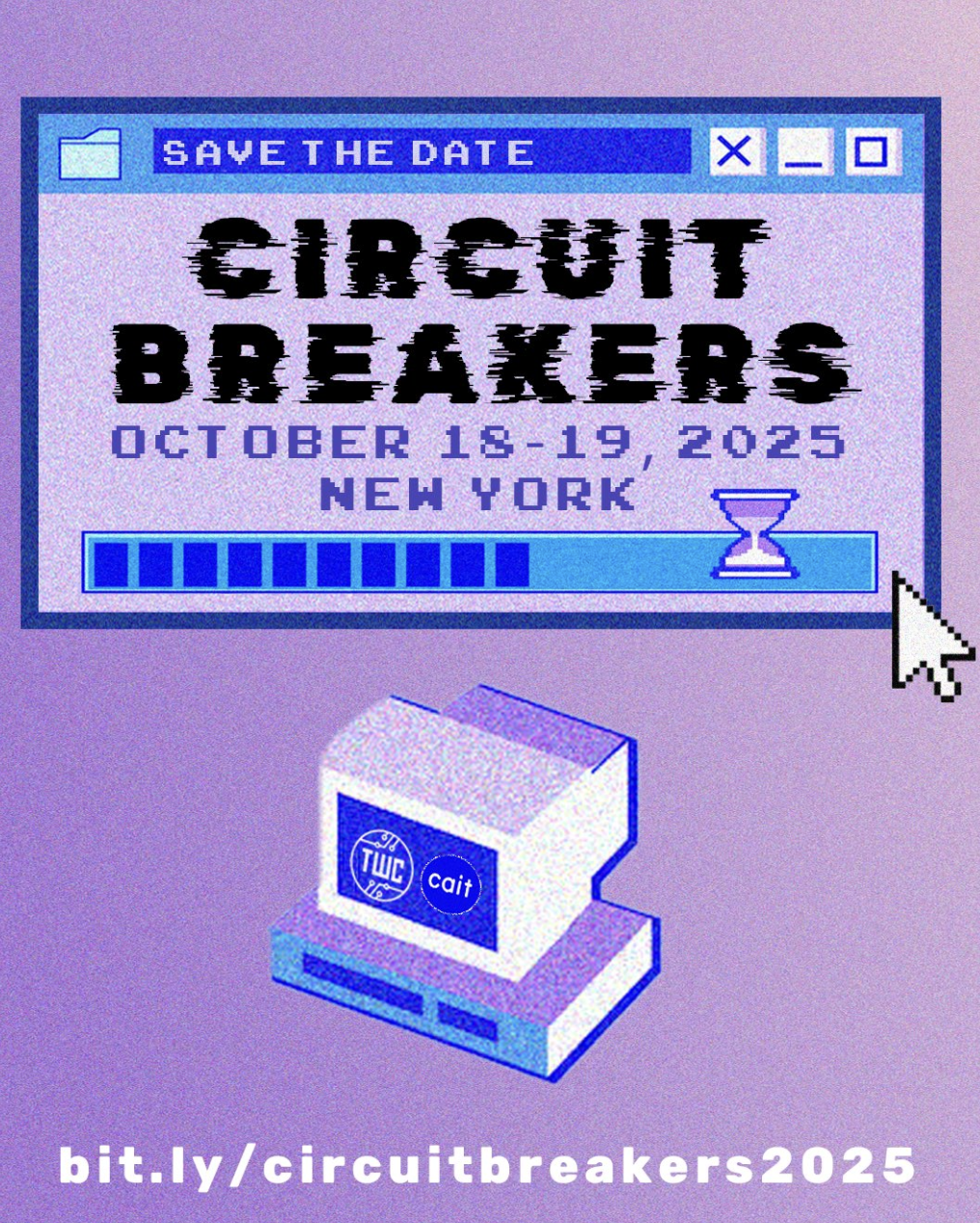
This doesn't happen magically: TWC organizers create offline and online community spaces, conferences, and events for green and experienced tech organizers to connect. They develop relationships with unions and link them to workplaces that are interested in organizing. They translate in both directions and facilitate interactions. They offer educational activities specific to labor organizing in the tech sector that unions overlook.
Unions are often big organizations, slow to adapt and transform. Cognitive work poses deep challenges that are still unsolved at a global strategic level. TWC allows tech unions to still develop and thrive on the ground by filling the gaps in the areas traditional unions cannot yet see.
Credits: Eric Meier
The Tech sector is a critical space of organizing in this age
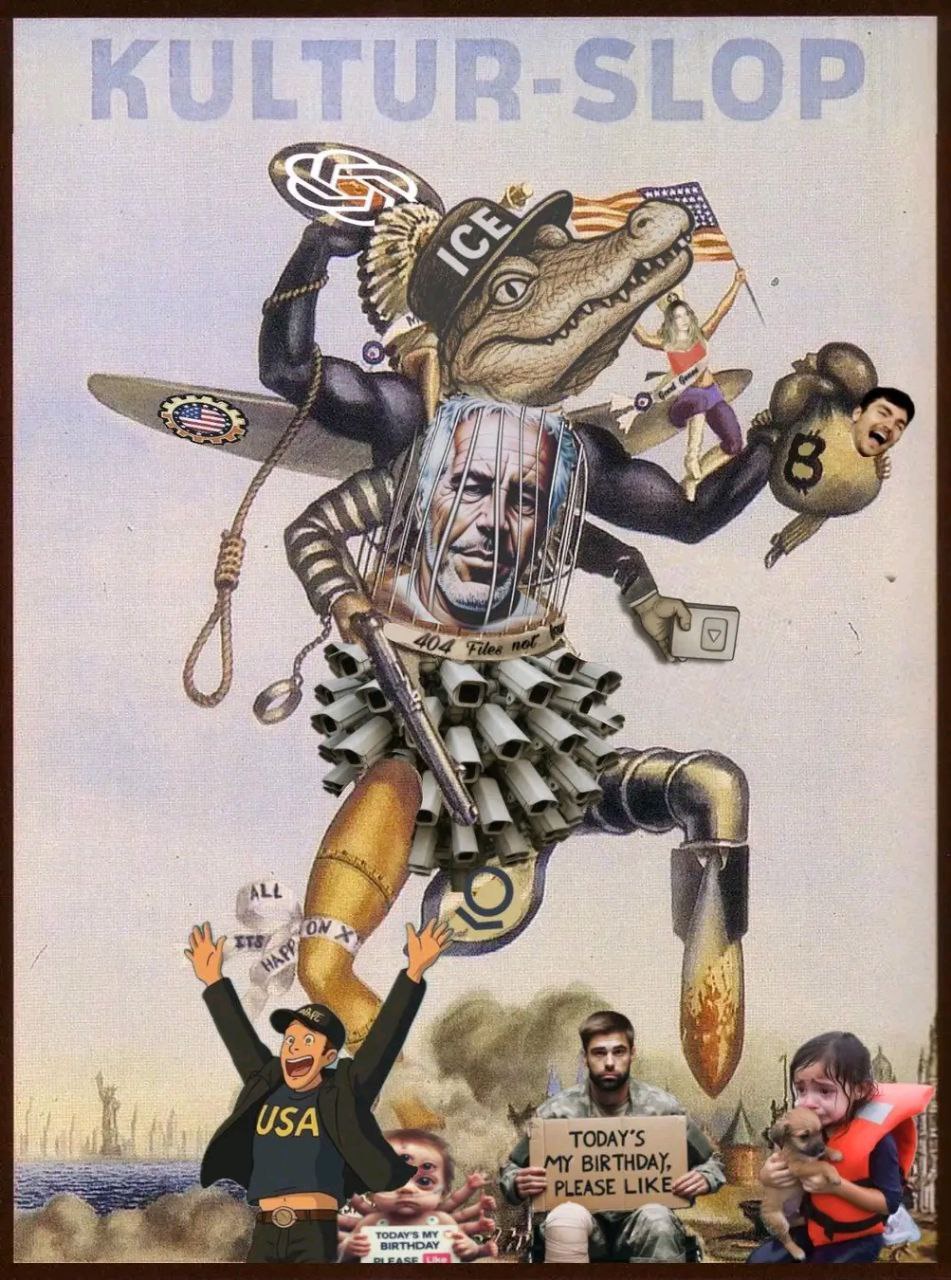
The more we go on, the more we realize how the tech elites, especially in the USA, are openly supporting a return to Fascism and other forms of oppression. They are reshaping the global economy to entrench themselves in the productive processes and state machinery. They imprint their values and beliefs on the psychic landscape of the ever-increasingly alienated modern and post-modern worlds.

Many are fighting the tech oligarchs from without: hackers and FOSS communities, environmental activists, NGOs, and sometimes even governments. The truth is, though, that the real leverage is between the office chair and the keyboard. We could talk extensively about economics, infrastructure, power analysis, and even draw historical comparisons with the organizing of early factory workers, when only a few, like Marx, were advocating for focusing on them rather than organizing farmers, like most socialists were doing. It would be a long and boring analysis. Suffice to say that there's a lot of power in the tech industry, and that's a lot of power that could be contested and won by tech workers. We are uniquely positioned to bind such power enough to, at the very least, limit the harm the tech industry is doing to the rest of the world or, in the best scenario, reshape how and why technology is produced.
What if you believe this, but you don't work in tech? Well, join TWC anyway. Workplace organizing is not possible for everybody: geography, workplace conditions, or, as I said, a different career path might prevent you from doing “the Thing”. TWC is a space where you can help others do “the Thing”. It's meta-organizing, baby. For some, it is frustrating: they want to be directly involved, they want the tension of a high-stakes union election, or the thrill and risk of a direct action during a protest. For others, it is cozy and reassuring: you help a hundred plants grow, and some of them for sure will bear fruit.
You get to create something new
The tech labor movement is, worldwide, a relatively young phenomenon. In some countries, it's unheard of. In some others, it is growing and exploring what's possible. While we are beginning to understand what works and what doesn't, nobody really has found a magic formula that solves it all. Contrary to other forms of labor organizing, where ideas decades old are crystallized and organizations struggle to keep up with social and political changes, in the tech sector there's a lot of experimentation going on.
On one side it is stressful for many: some workers just want to improve their workplace and would like to have a cookiecutter strategy to apply. On the other side, for the more creative and ambitious, there's a lot of room to try new approaches. For example, we are still not set on what a strike in tech looks like. Some workers just stop working. Some employ traditional forms like picketing or marching instead of going to the office. Some others do more fun and creative stuff to keep busy and attract attention: live streaming, union-themed game jams and hackathons, and so on and so forth.
TWC acts as a network throuch which these ideas travel. Traditional media or social media don't always cover these topics, especially outside the USA. Established networks of unions often talk high-level strategy and rarely go into such level of detail. TWC instead often sees meetings with tech workers from all over, sharing their stories and circulating know-how they didn't know they had. In a way, being in TWC feels like the early internet: tech labor is fragmented and disconnected across national boundaries, and absent from traditional media. TWC acts as a network for the first time, allowing tech workers to discover that in Czechia, India, or the Philippines, there are people like them, with similar issues, but maybe completely different approaches, ideas, and aesthetics.
Join TWC, see the world.
Beyond workplace organizing
As we said, the fight against Big Tech takes many shapes. TWC doesn't collaborate only with labor organizations, but, especially at a local level, acts as an aggregator for people working professionally on the political side of technology: researchers, investigators, artists, occultists, cooperative entrepreneurs, sometimes even party politicians.
Credits: Eric Meier
This means that many members of TWC get involved in a lot of different and interesting initiatives happening at the fringes of our network: experimental commoning of technology, litigations, hackatons, policy-making, campaigns, performances, exhibitions, and so on.
In many places, especially smaller cities, TWC becomes a beacon for anybody working with radical technology but dissatisfied with the more traditional aggregation around hackerspaces or technical communities.
For some of us, this turned into a whole new career. Workplace organizing is fundamental, but after you're done, after you have your union in place, the company will probably still be working on how to feed the souls of innocent babies into a spirit-grinding, high-performance, demonic contraption. It takes a long time before the union is strong enough to push the company away from the business of butchering baby souls and towards more useful endeavors.

There are many cases of members that, after several years of TWC, decide to abandon their career in the tech startup or corporate world and go do something different. Some get employed by unions. Some start their own cooperative with their friends. Others join TWC meetings after waking up early to work on a farm. Some go teach in a movement school or join an NGO. Personally, participating in TWC allowed me to connect with people who eventually got me involved into AI Forensics first, and Reversing.works later. The full story here.
I hope this article gave a compelling overview of what I helped build through a whole fifth of my life and I will keep building going forward. A journey that thought me agency, compassion, patience, dedication, and especially the ecstactic joy of seeing the world and the life of people around you change and get better over time.
If you're tired of arguing on the internet, if you think there's nothing to be done to form a union at work, if you're forced to “monitor the situation”, join TWC.