Opening the World to Rural Chinese Children
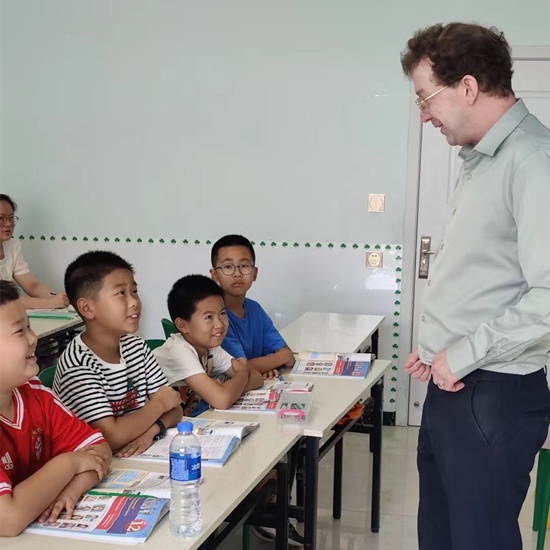
Delivering quality education to rural Chinese students at the I Love Learning Education Centre.
The Importance of English for Rural Chinese Children
For millions of rural Chinese children, English is far more than a school subject—it is a bridge to wider opportunities, greater confidence, and a future that reaches far beyond the borders of their village. In communities where resources are limited and educational gaps are often deep, English can become one of the most transformative tools a child can learn.
1. English Opens Doors to Better Education
Many rural students dream of entering strong high schools or universities, yet competition is fierce. English is a core component of key examinations, including the zhongkao and gaokao. A child with strong English grades immediately stands out. For students who already face disadvantages in funding, teaching quality, and access to learning materials, mastering English can be the factor that equalises their chance.
2. English Connects Rural Children to the World
Rural communities can feel isolated—physically and culturally. Learning English gives children access to global ideas, music, stories, and friendships. It expands their worldview far beyond the fields they grew up in. A child who speaks even simple English begins to see the world not as something distant, but as something they can be part of.
3. English Builds Confidence and Self-Belief
In many rural classrooms, children grow up believing that success is reserved for the city or for the wealthy. When a rural child begins speaking English—when they realise “I can do this”—their confidence shifts. This new sense of identity often influences their behaviour, ambition, and willingness to try new things.
A confident child is more likely to stay in school, pursue higher education, and break out of generational cycles of poverty.
4. English Helps Break Inequality
Educational inequality is one of the biggest challenges for rural China. Large cities have access to foreign teachers, strong curriculum, and better resources. Rural children are left behind—not because of lack of intelligence, but lack of opportunity.
English programmes in rural areas directly reduce this gap. They give disadvantaged children access to a skill that is normally expensive to obtain. For many families, even a simple English workbook is a luxury. Providing structured, quality English education brings long-term, life-changing benefits to children who would otherwise never receive it.
5. English Increases Future Employment Options
China’s future economy relies heavily on international trade, technology, tourism, and global cooperation. Employers value workers who can communicate in English. For rural children who want to work in larger cities or attend vocational colleges, English becomes an economic asset. It improves job prospects, earning potential, and the ability to move upward in society.
6. English Can Transform Entire Communities
When one child succeeds, entire families benefit. A single rural student who gains a good job because of their English skills can support siblings, pay for grandparents’ medical needs, and help parents reduce their financial burden. Over time, entire villages experience change.
Help Give 1000 Rural Chinese Children an English Education
Your support helps rural Chinese children access opportunities they deserve. Together, we can keep their classrooms bright and full of possibility. Thank you for considering being part of their journey.
© 2025 Europe China Monitor News Team