Planet of Lana: another gem
From time to time, to completely disconnect from everything and everyone, I turn back into a kid and immerse myself in video games. I'm slow, I admit it: a game that would normally take 4-5 hours, I finish in at least quadruple the time. But every now and then, among the depths of Steam, I encounter genuine gems. And last night I finally completed Planet of Lana, a 2023 indie game that had been sitting in my library for months. The plot is straightforward but effective: Lana and Elo, presumably brother and sister, live in a peaceful fishing village built on stilts, where life flows serenely in harmony with nature. But this peace is shattered when a group of robots assault the village, kidnapping some inhabitants including Elo himself. From here begins Lana's odyssey: a journey to the edges of the known world to find and save her brother.
Solarpunk Hieroglyphs
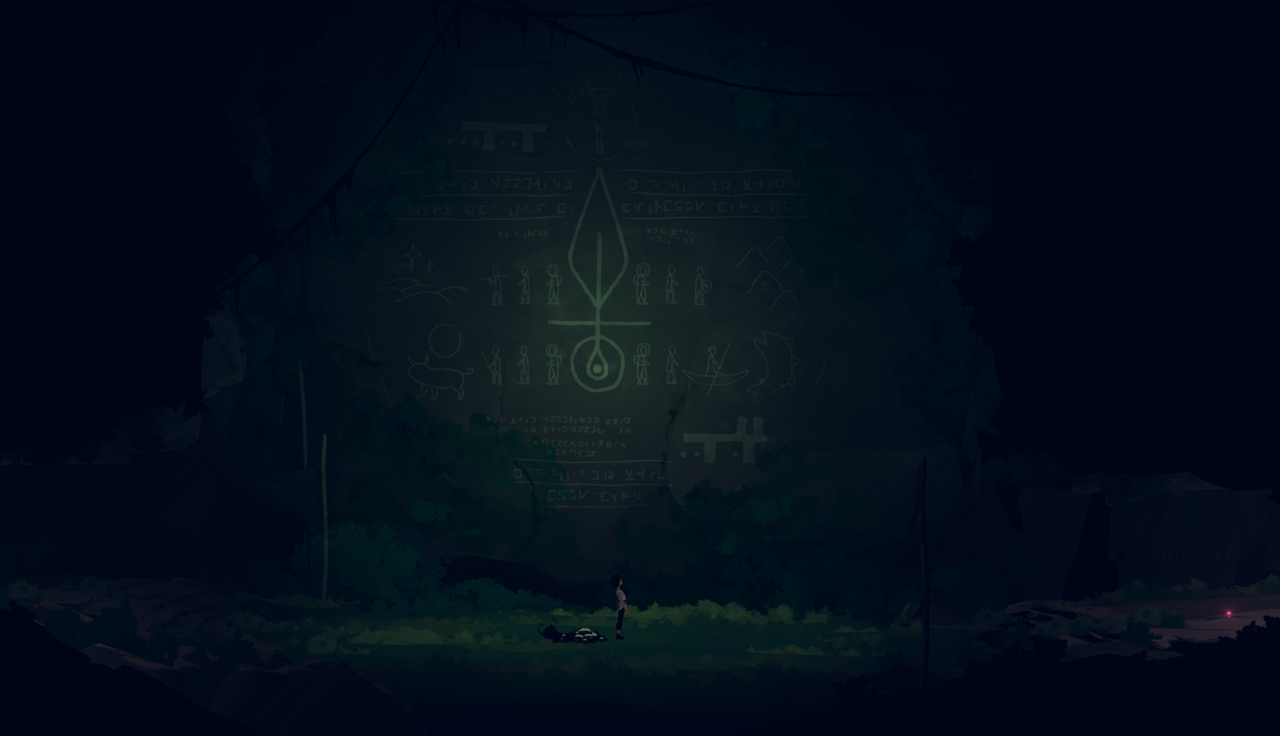
The game presents itself with a now well-established formula in the indie landscape: progression based on environmental puzzles that mark the passage from one section to another. But what truly struck me were the hieroglyphs scattered throughout the journey. These ancient inscriptions tell of an era when coexistence between humans and machines was peaceful and harmonious. It's pure solarpunk: natural elements perfectly integrated with technology, a vision of sustainable future that we rarely see in video games.
I took all the time necessary to study these glyphs, to understand their deeper meaning. And it was worth it: they represent the thematic heart of the game, that common thread connecting past and present.
Meet Mui
During the journey, Lana meets Mui, an extraordinary little creature that looks like a cross between a cat and... something alien. Mui immediately becomes indispensable: jumping, untying ropes, distracting enemy machines. And, like all self-respecting cats, he's a sweetheart who's terrified of water and needs to be transported from shore to shore on rafts.
The path is varied though, at times, the puzzles follow a repetitive logic. But the real protagonist is exploration, taking the time to observe every detail of this magnificent world.
The Music
I must spend a few words on the music: it's simply spectacular. A masterpiece that requires tissues at hand. There's a recurring theme composed of no more than six notes that enters your soul and never leaves. Those six notes become the emotional thread of the entire experience.
The City of Machines
So I reach the end of the game. Lana arrives at what I've dubbed “the city of machines.” But everything is unexpected: no cyberpunk dystopia, no apocalyptic scenarios. Everything is peaceful. Enormous robotic spiders entertain infants in an almost surreal atmosphere.
Then Lana slips and falls into a hidden place: humans are trapped in small transparent domes. She finds Elo. But when she tries to free him, the system detects her presence and triggers the alarm. Desperate escape.
The Ending (Spoilers)
The final sequence is a small masterpiece of game design and storytelling. You find yourself before an enormous pulsating energy sphere. It's evident that it cannot be destroyed. And here the unthinkable happens: Mui, until that moment a simple supporting character, becomes the absolute protagonist. He flies toward the sphere, absorbs all its energy and falls to the ground, apparently lifeless.
Silence. Despair. You think Mui has sacrificed himself to save Elo.
But then... those six notes. The game's main theme gently returns. Mui begins to pulse with iridescent colors and awakens. And when you return to explore the world, you understand: by absorbing the sphere's energy, Mui has taken control of the machines, which now live in peace with the fishermen.
Final Thoughts
Planet of Lana is one of those games that stays with you. Not because of puzzle difficulty or gameplay innovation, but for its ability to tell a story of hope, sacrifice, and harmony between nature and technology. It's proof that solarpunk can work beautifully in video games too, offering an alternative to the usual cyberpunk dystopias.
If you're looking for a relaxing yet emotionally intense experience, with sublime art direction and a soundtrack to jealously preserve in your playlist, Planet of Lana absolutely deserves your time.
Even if, in my case, it was much more than four hours.
#PlanetOfLana #Gaming #IndieGames #Solarpunk #GameReview #PuzzleGames