The Oldest Part of the Progress Plan: The Pink and Purple Zones.
The idea behind Progress has existed in one form or another for 25 years now. For my first in-depth look at this blog at a more focused part of the city's history, I thought I'd take on the concept that's germinated the longest, the red-light district Haven and the artistic neighborhood next door
#jasonpettus #experimental #literary #mediamedia #project #storytelling #citybuilding #universebuilding #cityplanner #metafiction #fictitious #city #metropolis #usa #us #america #midwest #winnemac #sinclairlewis #ai #image #generator #redlightdistrict #autonomous #socialist #experiment #anarchy #radicalleft #community #freetown #christiania #haightashbury #hippies #counterculture #cannabis #dispensaries #alternativehistory
(Right-click on any image and choose “open image in new tab” to see the full-sized version.)
The first roots that eventually became the Progress City storytelling project go back around 25 years or so, when in the late 1990s this project started as a city called Diplomatica, conveyed primarily through a giant street map I was creating in Quark XPress. In that version, the city was on an alien planet, half of each of its boundaries donated by two adjoining nations who had long been at war with each other, but recently declared a truce. The two nations had built the city as a paen to diplomacy and treaties, and had brought in their world's most prestigious architects to design history's first truly perfect city; then of course it all started going to crap before they even finished building it, so that the city now 200 years later has this really fascinating, detailed, layered history to it.
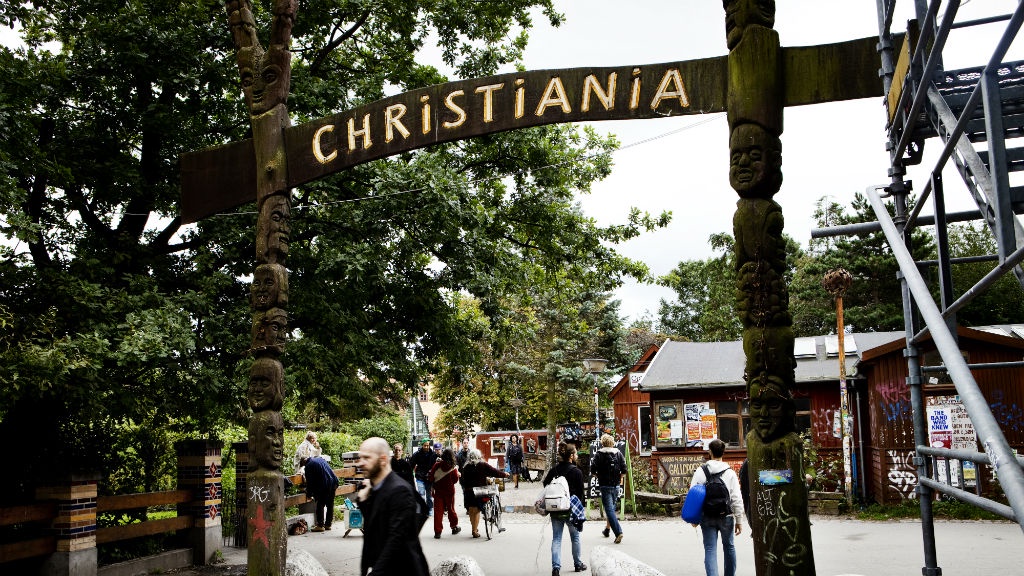
That's where the idea of a red-light district for this city originally came from, that it was a slum in Diplomatica where certain space aliens were forced to live under miserable conditions, and that riots happened there in their version of the 1970s and eventually an “autonomous community” would be created there, where people in that community don't have to follow local city laws but in return provide their own utilities, security force, etc. This was inspired by the real-life community of Freetown Christiania in the city of Copenhagen; although there are big differences between their actual community and my fictitious one, the general idea remains of it having been a place in the 1970s where drugs could be legally sold openly, and in my version prostitution is legal too. In my version, the city essentially came to a compromise with the rioters, squatters, political activists, etc., and cleverly invented a new “pink zone” in the zoning laws to cover such a situation; basically an ad hoc group maintains the organization of the area itself, while the city creates the laws that allow the space to legally exist.
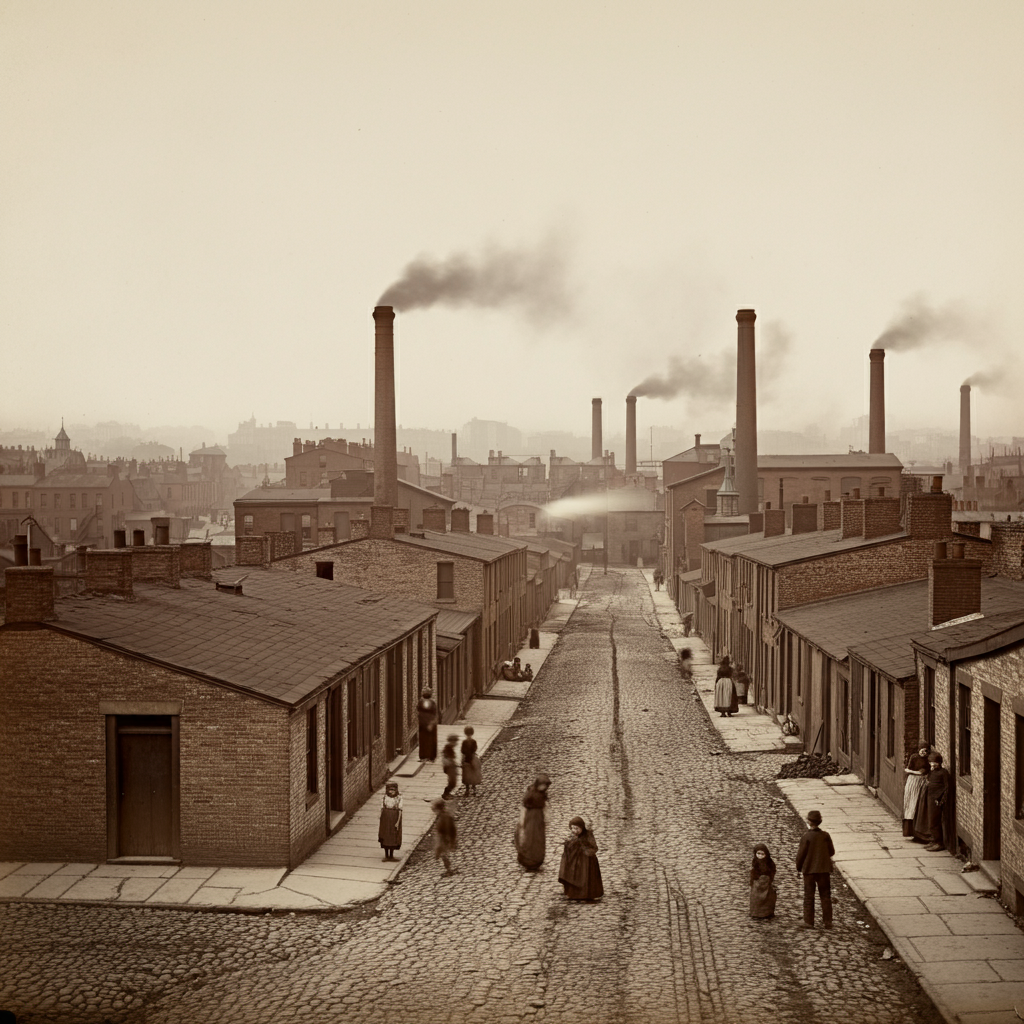
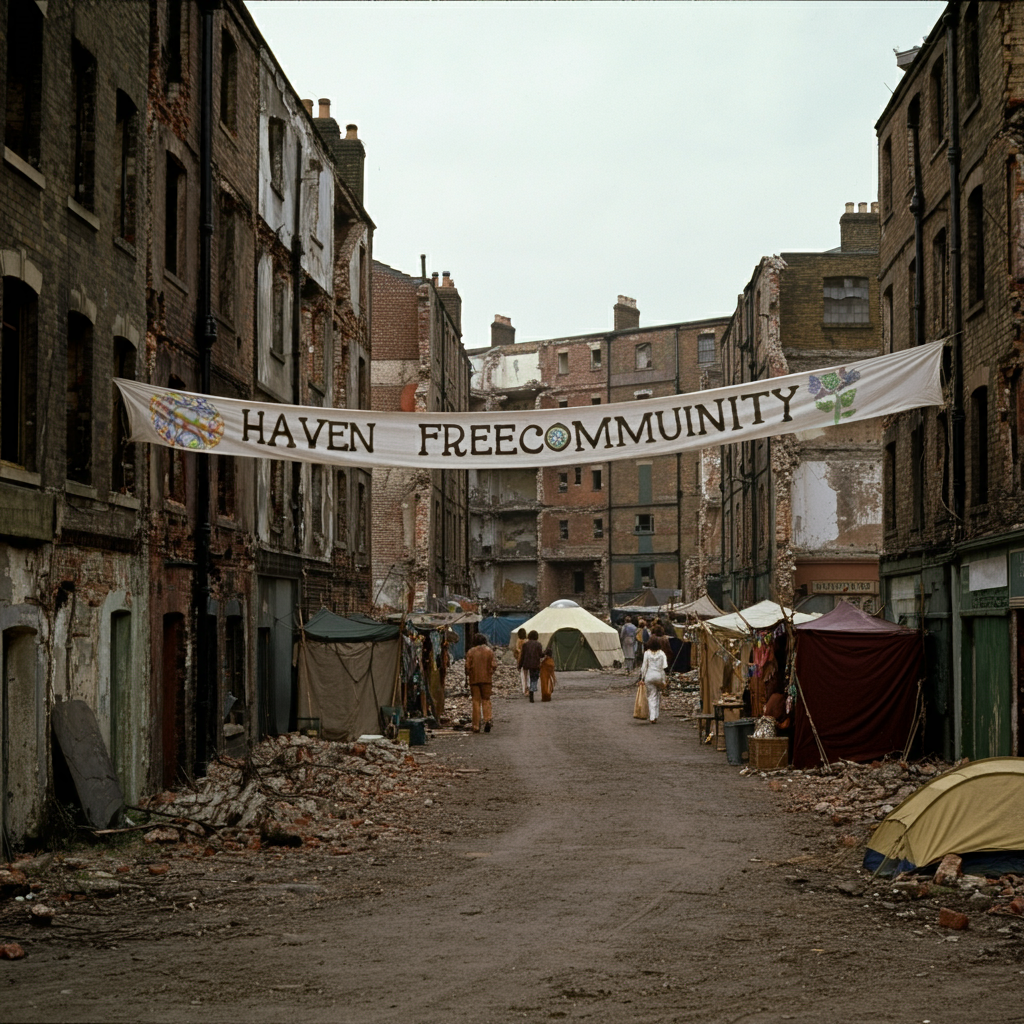
It was easy enough to port all this over to my newest version of this project, the now realistic (but with fantastical touches) US Midwestern city Progress; after all, even the sci-fi version on the alien planet was inspired by the real events on Earth in those years, so a fellow Earth city would be simple. I imagined the meatpacking district I had invented for the city way back in the Victorian Age of the mid-1800s, which provided Progress with one of its first big shots in the arm of revenue, now as emptied-out and crumbling slums by the 1970s, a full 30 years after all the old European immigrant tenement workers of the factories moved out to the suburbs following World War Two, the so-called “white flight” that happened all over the US in the post-war years. I also imagined that Progress (notoriously Progressive in its politics) had managed in 1967 at the start of the national student protest movement to actually pull off a “Defund the Police” campaign like modern radical liberals have tried to pull off in recent years; so when urban unrest in the countercultural age turned into full-on street violence, the city didn't have enough cops to contain the situation, and a tense stalemate occurred between them and the increasingly organized rioters who were suddenly talking about Marxist theory and building an alternative community.
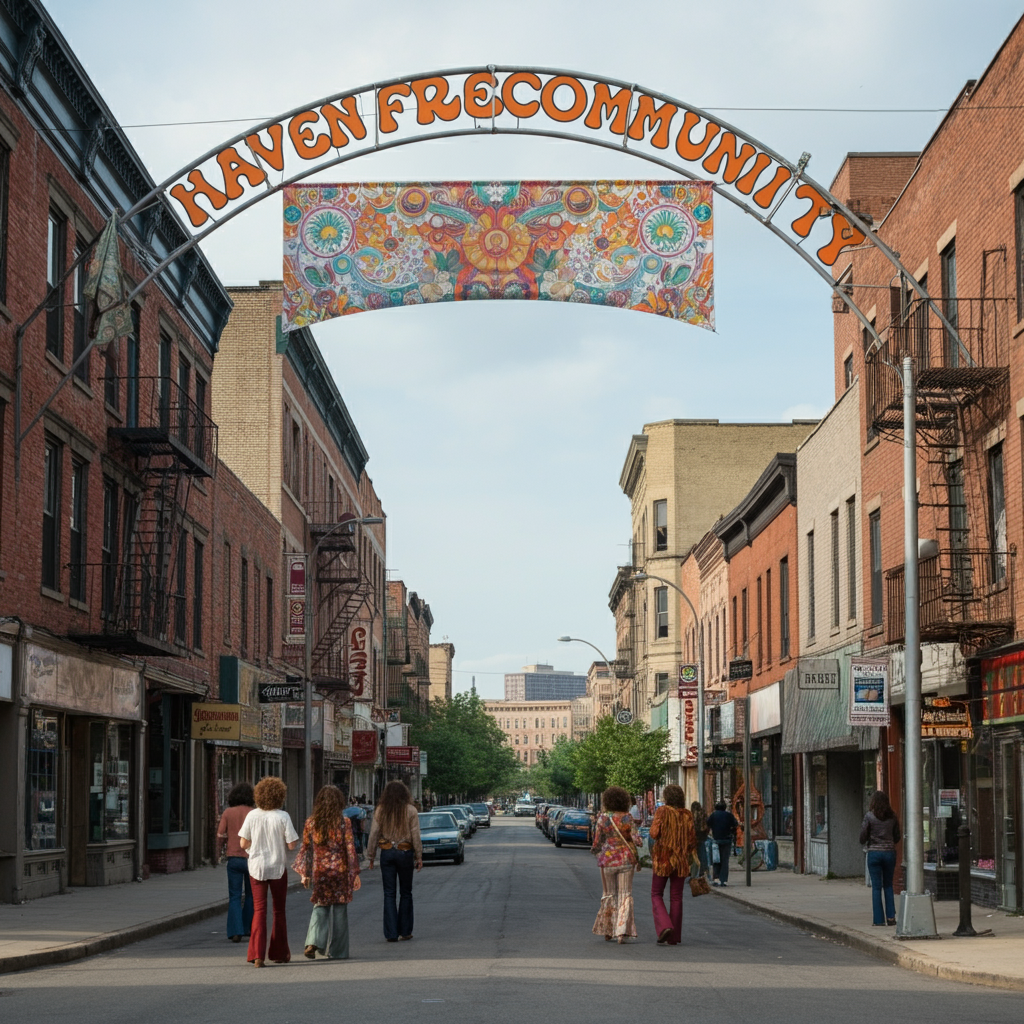

I basically then just copied the situation from Diplomatica to here wholesale; the city creates a new “pink zone” in the zoning laws that isn't answerable to Progress local laws, but also must provide their own security, infrastructure, utilities, etc., while the socialist organizers create a “freecommunity” they call Haven to actually run the space and keep it safe (or as safe as possible, given their limited resources). I admit, I find it fascinating to think about what might have happened if a real city like Chicago had actually developed an area like this in the 1970s, where essentially cannabis became legal a full 30 years before it did in the US in real life, done “Amsterdam style” by calling the places “coffeehouses” and with big pot leaf neon lights in the window.
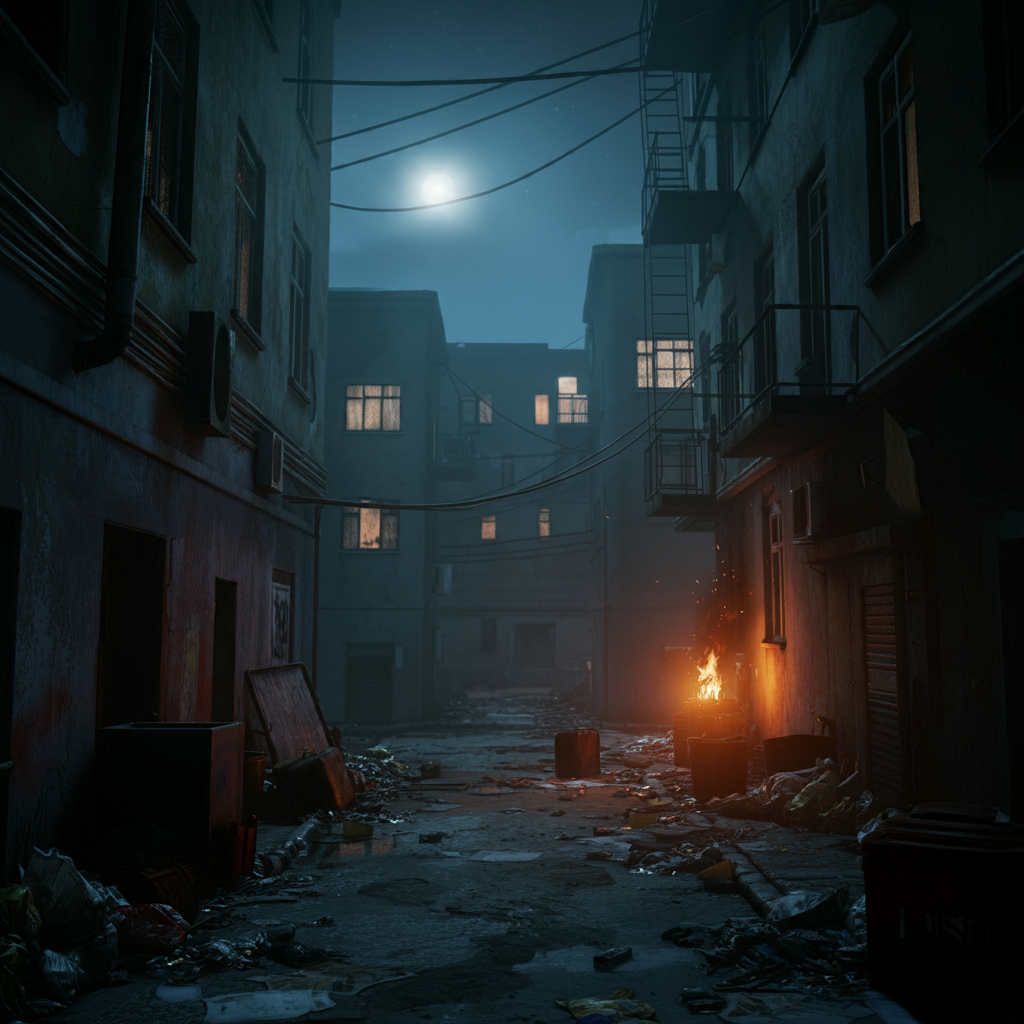
In my case, I also took a bit of artistic license with this area as well, and posited the idea that while Haven was able to afford keeping a “downtown red-light district” safe and well-lit, this didn't extend back into the further reaches of the pink zone, earning the area the street slang term “Heart of Darkness,” notorious for lawless drug dens, forced sexual slavery, and other nasty things that go bump in the night. Don't forget, one of the things I'm thinking of doing with all this when I'm done is giving people permission to set stories within Progress and its vastly complicated history and culture, so I'm trying to create a series of very memorable neighborhoods where amazing genre stories could take place; so I like this idea of adding this lawless, terrifying “Heart of Darkness” to the back alleys of Haven, because it provides all kinds of fodder to crime authors, horror authors, etc. There's all kinds of that stuff built in throughout the Progress metropolitan area's nooks and crannies, as you'll be seeing as I fill out this blog and flesh out my city, areas specifically introduced in order to give artists in the future a place to set a science-fiction tale, a Jazz Age romance, a gritty police procedural, etc. As you'll probably be hearing me say regularly throughout this blog, I like to think of Progress as me building my own Gotham City, and I hope one day to invite a bunch of clever artists to set their own Batman stories in it.
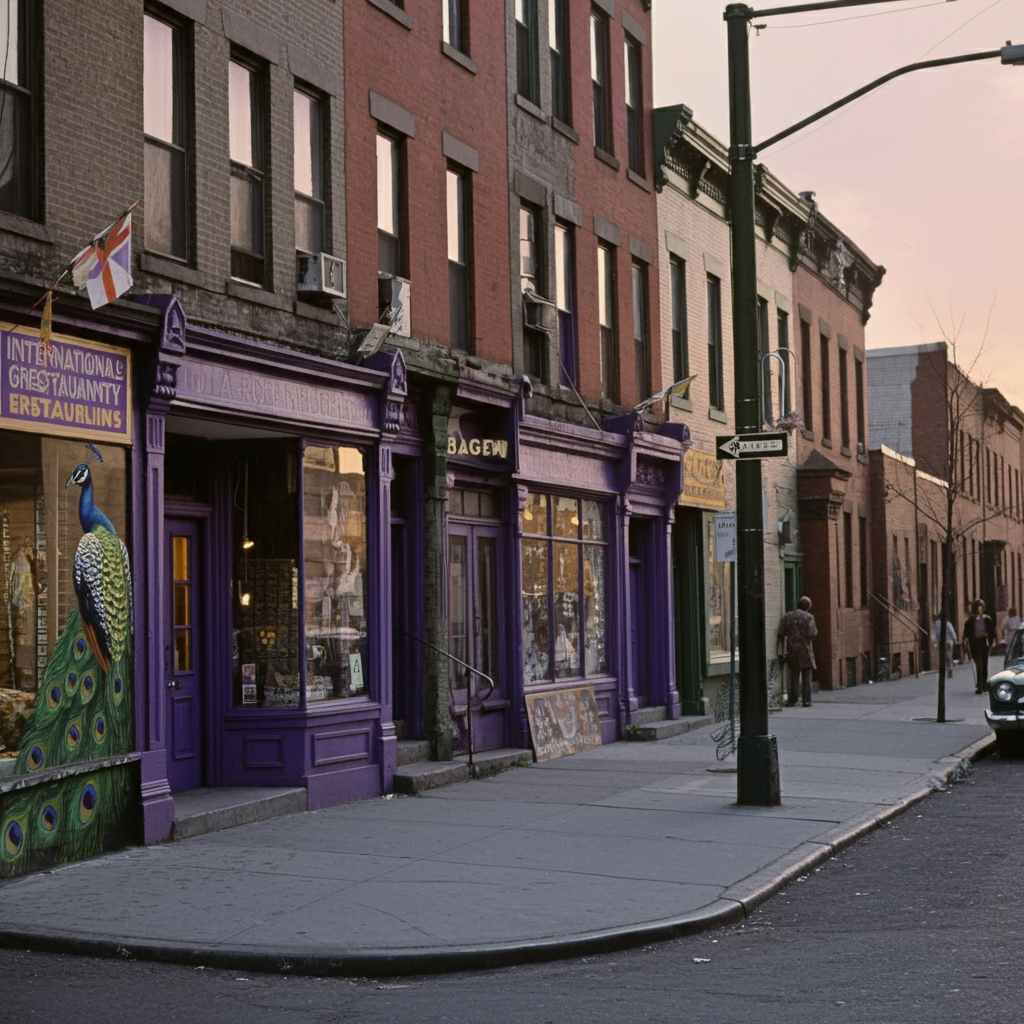
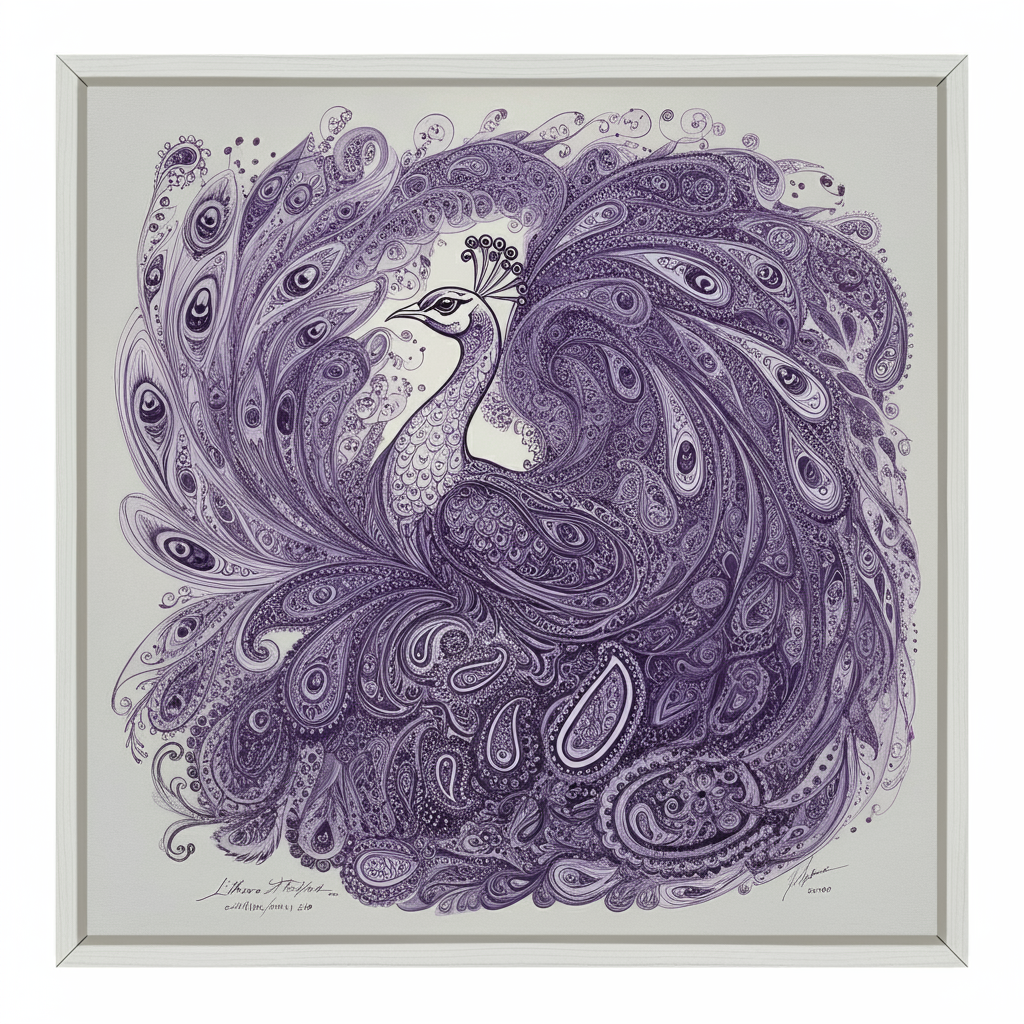
What I further loved about this, though, is the idea that the neighborhood right next door to it, the one still on the legal side of Progress proper, would become super popular because of all the people coming here on Friday and Saturday nights to get legally high. I love the idea of Progress forming its own Haight-Ashbury in the same years as that real-life San Francisco neighborhood, full of funky clothing stores that have painted the drab outer walls of their brick building bold new colors, overflowing into the international restaurant next door and the art gallery a door down from that. I especially love the idea that the residents of this neighborhood, not through any concentrated effort but just as a meme that suddenly caught on, started calling their area the “Purple Zone” simply as a cheeky reference to the pink zone next door, and that suddenly by the mid-'70s there were purple references everywhere in the neighborhood. Just for fun and to add something memorable, I also imagined a local lithographer in the neighborhood named Julian Blackwell who in 1973 created a particularly memorable psychedelic poster of a purple peacock, which he called “Purple Zone Peacock,” and that the cult popularity of the poster (no good hippie was seen without one tacked to the sloping walls of their attic bachelor pad in those years) led to the neighborhood unofficially adopting it as a mascot too, so that soon the entire six-by-six-block area was full of bright purple storefronts and peacock images everywhere.

That's one of the things I'm fascinated by, as someone who's lived in real-life Chicago for 30 years now, of how an artistic neighborhood rises, what causes it, why people flock there instead of elsewhere, and what eventually causes it to lose its cool status with the public at large (if it ever does). I'm delighted to have this Purple Zone in my city, easily one of my favorite areas right now to imagine stories set in, or even see myself living in if I were a resident of Progress. This was what represented cool, hip urban life back in the late '70s when I first entered my tween years, and became cognizant of cool hip urban life for the first time, so in a way it's this aesthetic that will always define urban cool for me, and I've been having a really enjoyable time filling out a lot of images from this neighborhood before any of the others.

Eventually in the 1990s, though, Progress was supposed to have gone through a similar thing as Chicago did at the time when I first moved here, a really big Progressive wave of a Bill-and-Hillary touchy-feely New Agey type, and the city's first-ever female mayor decides to “renormalize relationships” with the pink zone in 1992 to mark its twentieth anniversary. What she means in practice is that, in a particularly prosperous time in the city's history (again, just like Chicago), the city will make a massive one-time donation for Haven to finally have regular uninterrupted infrastructure like lights, electricity and water flowing throughout the neighborhood, more help from the local police in patrolling the dark back alleys, and all of it in the form of cutting-edge solar green tech that Haven residents can be taught to maintain themselves, still allowing them to be an autonomous community, but now just a much safer one. At the same time, she decides the city will now officially recognize the Purple Zone as the proper name of the neighborhood, and even blows a bunch of money on cheesy “Purple Pride” banners hung from the neighborhood's lightpoles.
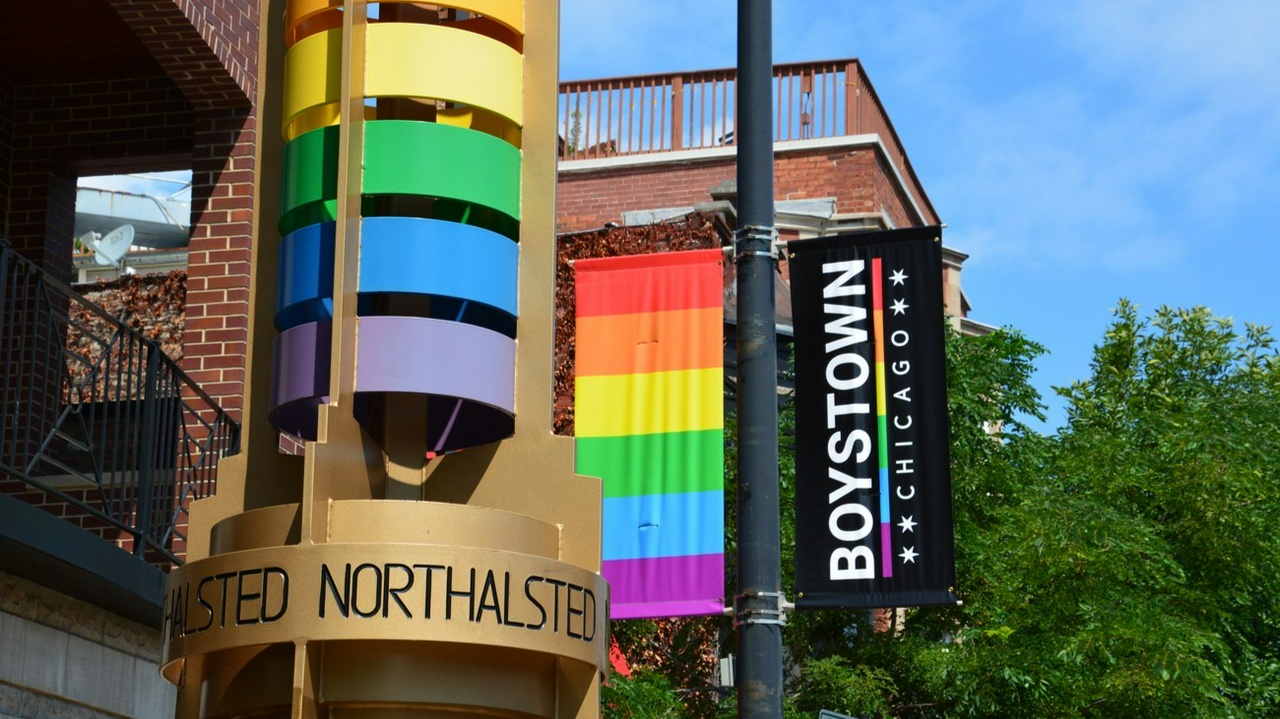
If this sounds familiar, it's because a very similar thing happened to the real-life Boystown neighborhood in the '90s when I first moved to Chicago, where for decades (back to the countercultural '70s when the area was a slum) the gay community had been living, meeting and loving, unofficially referring to their three-by-six-block neighborhood by “Boystown” ironically but also with a lot of love. In the '90s during the Clinton years, the city decided to officially recognize the neighborhood's name, and went about constructing some of the most cheesily embarrassing odes to PRIDE the world has ever seen outside a Eurovision contest. It was widely known that the city was only doing this because Boystown had become well-maintained enough to now be a trendy and expensive neighborhood, and the city wanted their cut of the money in these gentrifying years. (Remember, these were the same years Wicker Park over on the other side of town got gentrified too, represented in the Progressverse as the Trout Alley neighborhood, which will be the subject of another blog post soon.)
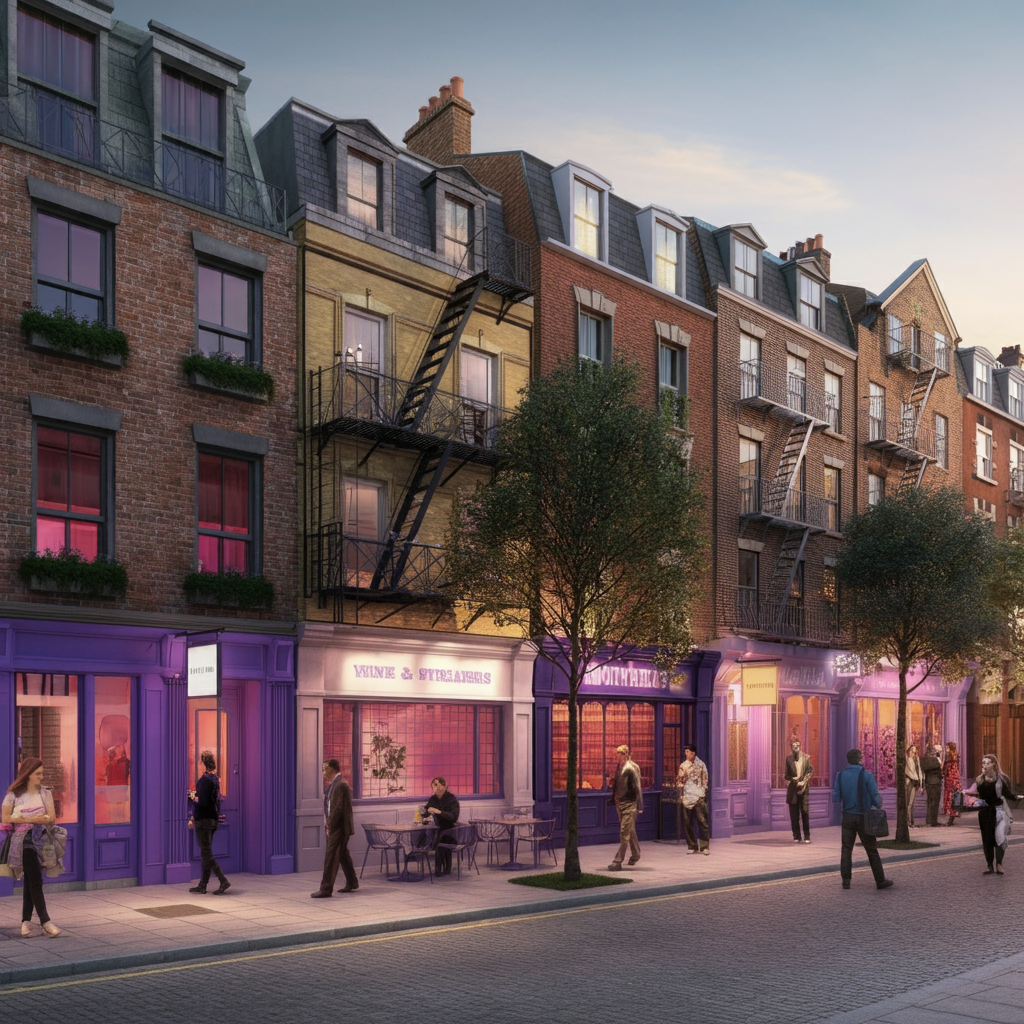
The mainstreaming of the pink and purple zones, although it turned both neighborhoods into much safer, more pleasant, more family-friendly places, also made it lose what was so special and vital about the neighborhoods, their unique and funky charm in a unique and funky time. The thrift stores turned into GAPs, the bistros into five-star restaurants, the art galleries into clothing boutiques. It became safe and pleasant and middle-class, rightly devoted yet again to consumerism as lifestyle, as It Shall Always Be In America, Amen. The artists moved to Trout Alley on the other side of town, the side that was still crappy and therefore inexpensive, and the artistic community moved with it.
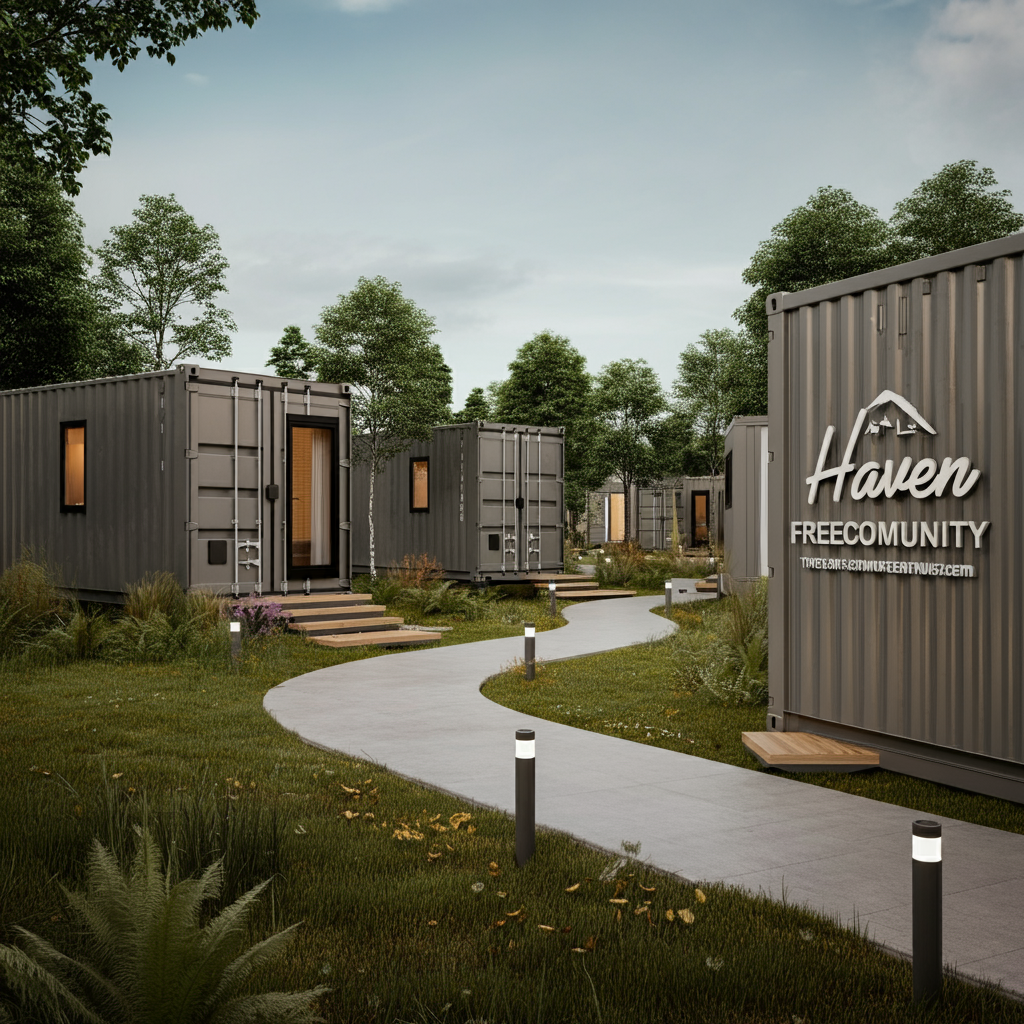
The “200 years” of Progress's city for my project is actually 1845 to 2045, which allows me to extrapolate a bit into the future; so in the 2045 I'm imagining, a group of creative-classers get together to turn the unused back alleys of Haven into an entire neighborhood-sized co-op, where each family lives in a tiny home converted from a shipping container, and everyone has equal say over how the subdivision-sized land they're on is run. The red-light district at the front archway of Haven still exists, but a lot of fun has gone out of it now that cannabis is legal in the entire state of Winnemac; the only real reason now to visit anymore is for cheap unregulated vape and massages with happy endings.


As an interesting coda to all this, although everyone had always assumed that the pink zone was to be forever fated as a '70s experiment that could never happen again, in the 2010s the city decided to grant the designation to a second location, this time the Neptune Corporation “Megascraper” and surrounding corporate wilderness estate, located about 20 miles outside of Progress proper. This will be the subject of its own blog entry soon, but basically an early version of the startup tech industry became mature in Progress's Trout Alley in the same years as it happened in northern California (leading to the famous phrase “Silicon Valley and Trout Alley” to describe the synergy between the two locations in the late 1980s and early '90s); and one of the tech startups in that neighborhood, Neptune, eventually grew into a trillion-dollar company with dozens of offices scattered around the world. In the mid-2010s, the company's founder, Jasper Quinn (born and raised in Progress), decides to consolidate all his worldwide operations into one massive vertical structure on the outskirts of the city, along with thousands of acres of unincorporated wildlife surrounding it. They essentially purchase a pink zone designation from the city, by building a brand-new high-speed rail system for the entire area and then donating it to the Progress Metropolitan Transit System (aka “the Metro”). Conspiracy theorists believe this is the first step towards the Neptune Corporation declaring itself its own autonomous city-state, like the futuristic corporations in a William Gibson story...but more on all this in another blog post soon.