Does a Mac and iPhone protect me from U.S. surveillance
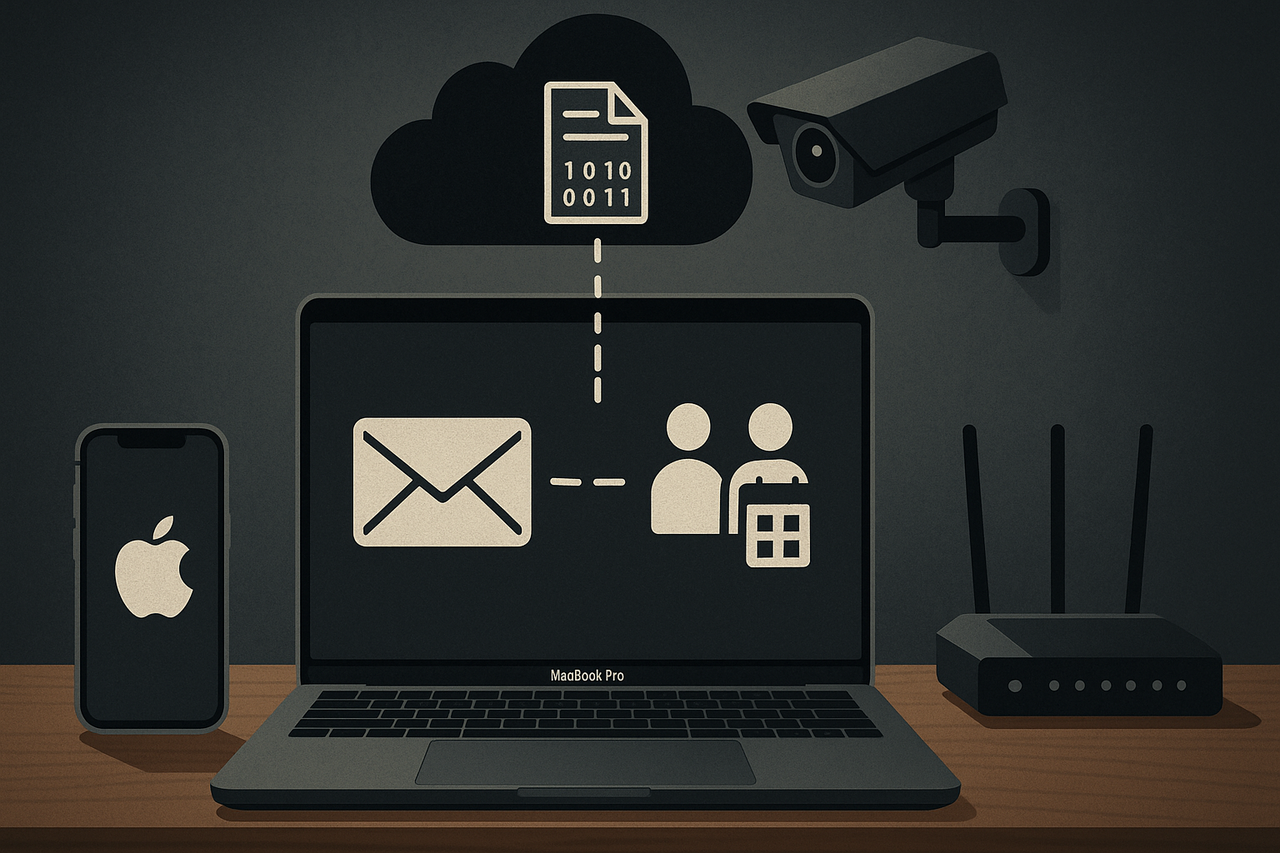
Does using a Mac and iPhone protect me and my data from U.S. surveillance as a Canadian under FISA and the CLOUD Act?
I get this question often: If I use Apple hardware, am I shielded from U.S. surveillance laws like FISA Section 702 or the CLOUD Act?
The short answer is no. Apple is a U.S. company and falls under U.S. jurisdiction. That means data held in Apple’s cloud services (iCloud) is subject to compelled disclosure under U.S. law, even if the servers are physically in Canada or another country. The CLOUD Act (2018) made this explicit: location of the data does not matter if the provider is subject to U.S. law.
What you can do: Advanced Data Protection (ADP)
Apple does provide one important lever: Advanced Data Protection (ADP). This is an opt-in setting in iCloud that changes how much of your data is encrypted end-to-end (E2EE).
- With ADP on, categories like iCloud backups, Photos, Drive, and Notes are encrypted with keys only stored on your devices. Apple cannot decrypt this data, even if served with a U.S. order.
- iCloud Keychain, Health data, and iMessage/FaceTime were already E2EE and remain protected.
- Recovery shifts to you: you need a recovery key or trusted contact because Apple can no longer help you recover your account.
In other words, ADP pushes more of your data into the “Apple cannot turn it over” category. That is a meaningful reduction in risk for Canadians worried about cross-border surveillance.
Where you are still exposed
Even with ADP turned on, some categories remain outside of E2EE. Apple must hold keys for these because of how the services work:
- iCloud Mail – stored like any other IMAP/SMTP service, so Apple retains server-side access.
- Contacts and Calendar – not E2EE, because they need server processing and integration.
- Metadata – Apple retains certain logs, subscriber data, and transactional metadata that can be compelled under U.S. law. This includes when and where devices connected, file names, and other non-content details.
These categories are fully susceptible to FISA orders or CLOUD Act requests. Apple can be forced to produce both content (where keys are held) and metadata.
Why metadata matters: an immigration lawyer example
Suppose you are an immigration lawyer in Toronto working with clients seeking refugee status. Even if your client files and evidence are stored securely on your Mac, metadata from iCloud can still expose sensitive patterns:
- Email headers in iCloud Mail could reveal repeated communication with advocacy groups or government agencies.
- Calendar entries may show meetings with clients from certain countries flagged as high-risk.
- Connection logs could map when and where you were in contact with particular clients.
This metadata does not reveal the substance of conversations, but it can be enough to identify your clients, infer case strategies, and establish networks of association. Under FISA or CLOUD Act orders, that metadata can be turned over without you ever knowing.
Practical takeaways for Canadians
Enable ADP if you use iCloud. It’s the only way to close off Apple’s access to a wide set of your files and backups.
Do not rely on iCloud Mail, Contacts, or Calendar for anything that requires Canadian data sovereignty or FIPPA compliance. These are in-scope for U.S. compelled access.
Treat metadata as always exposed. Even with ADP, Apple’s logs remain subject to legal orders.
For true sovereignty, sensitive records should be kept in a Canadian-controlled repository where you hold the keys (self-hosted or a Canadian E2EE service).
Bottom line
Owning a Mac or iPhone does not exempt you from U.S. surveillance reach if you use iCloud. ADP improves the situation by putting more categories under end-to-end encryption, but Mail, Contacts, Calendar, and metadata remain vulnerable. If sovereignty is a requirement, you need to supplement Apple’s ecosystem with services where you control the encryption keys and the legal jurisdiction.