Fire, Oh My!!
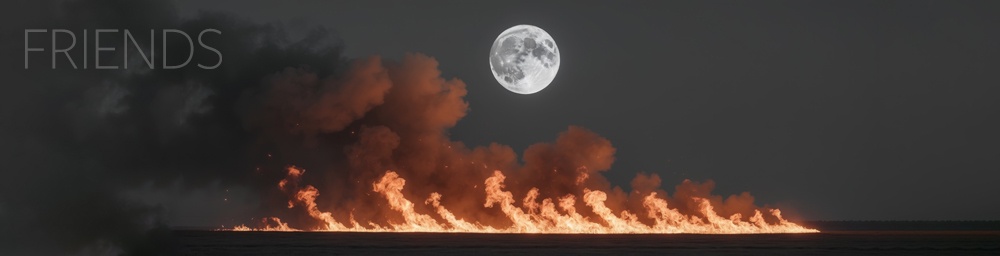
“The fire burns, the fire purges, the fire reveals.”
Electric and Heat and Fire! Oh! My!
A friend called this evening while we were driving and admiring the sunset.
“My house is on fire!!”
Oh. My. God.
“VFD is here, and they have it contained. Just wanted you to know.” BEEP!.
So much is conveyed in that short conversation. Far more than she realized.
When I was ten, our house burned. Not to sticks and embers, but it burned. We’d left before dawn to spend the day at Buffalo Reservoir—fishing with my dad and his friend Bookout (yes, weird name), swimming, and dodging sharp things in the lakebed.
Around 9:30 a.m., my dad’s brother found us.
“Hey, bro,” he said, jerky as ever, too casual for the moment. “Your house is burning down.”
“What?” My dad matched his tone with a dash of disbelief.
“Naw, fer real. Flames shooting out the roof. All the windows are busted. Firemen are working it over.”
I can’t remember my dad’s face now, but I still hear his calm reply: “Well, hell. Guess I’d better get home.” It had all of the urgency of a cowboy of the old west deciding to make camp for the night.
Bookout was panicking, but my dad? Steady as ever.
“Look, Bookout,” he said. “It’s either not as bad as he says, or it’s way worse. Either way, nothing I can do right now.”
We folded our gear into his 1979 red-and-white square-body Ford F-150 and drove back.
It was bad.
The house—1940s blue stucco, two stories, wraparound porch—was 90% remodeled when it happened. The roof had collapsed. Scorch marks ran up from every window like smudged pastels. Doors and windows were busted open. Burned furniture littered the yard.
That day, I learned some things about fire:
1. Fire will destroy everything.
2. If not fire, then smoke.
3. If not smoke, then water.
4. And if anything survives those three, the firefighters will finish the job.
We lost nearly everything.
Appliances. Furniture. TV. Record player. The wood pieces—china cabinet, dining table—my parents salvaged with sanding and polish. They were built to endure.
The hardest losses were the little things. The ones you don’t think about until they’re gone.
Photographs. We have almost none from before 1982. Maybe a dozen remain.
Records? Slag.
China? Smashed by fire axes.
Books? Water-logged beyond recognition. My readers—favorites—swollen and ruined.
My stuffed animals. I was weirdly into them. Most were charred. But two survived: Randy the Raccoon (10”, classic raccoon look) and Marty the Mouse (4”, white with red ears). Melted whiskers, smoke-scented fur—survivors. I think I packed them up when I got married.
Clothes? All gone.
My Star Wars snow speeder. I’d just bought it with several weeks of saved allowance. It sat on the china cabinet. After the fire, it was an unrecognizable blob of melted plastic. Luke Skywalker, reduced to an orange streak in the modern art.
Forty years later, I spent $200 on a vintage replacement. It sits on the shelf beside me now. Whole. Unsullied.
I say all this because people don’t understand what a fire does until it happens to them. The trauma sticks. Acrid like the smoke but it lingers your whole life.
So when I hung up the phone, I said to my wife, “Mel’s house is burning. We’re going to check on her.”
“What? What Mel? Fire? Is it bad?” Her voice tight, disbelieving.
“Yes, Mel. Mel-the-new-widow. Mel-who-lost-her-skylight-in-the-big-storm a few days ago.”
She paused, confused. “Why? What can we do? Can’t someone else go? Why does it always have to be us?”
That hit a nerve. I was spiraling, reliving my own loss and an attitude of indifference I have fought here for years. She was thinking about comfort and the long drive.
“We NEED to go,” I said. “She’s in shock. She needs to feel supported.”
“Well, I’ll text everyone else—someone closer can go,” she replied.
“No! Don’t tell everyone. We don’t know how bad it is. I just want to show up. Be a steady presence.”
“It doesn’t always have to be us, I’ll tell someone else.” she muttered, already texting.
“Please don’t” I state. Then ask “Who?” When her fingers don’t slow down for an instant.
“Marge.”
I snapped. “Marge? What’s she going to do—show up and borrow money?”
Marge is one of the very few people I’ve completely cut out. My wife keeps reintroducing her into our lives. Frustratingly often.
Now the argument is fully aflame. I’m triggered, she’s digging in. I check the empty street, put the vehicle in park, and stop cold.
“What are you doing?! You’re going to get us killed!” Her voice didn’t rise, but the words did the work.
The quarrel stretched on with weak arguments and entrenched opinions.
Accusations and recalled slights from Thursday and Sunday from long ago. Things I didn’t realize had left a mark.
It ruined what had been a lovely day. All because of misfired communication, misunderstood urgency. I withdrew. Resigned. “Fine. We won’t go.”
And now—of course—she’s mad because we’re not going.
I feel insane. Like I’m trying to speak the language of a tribe I’ll never fully understand.
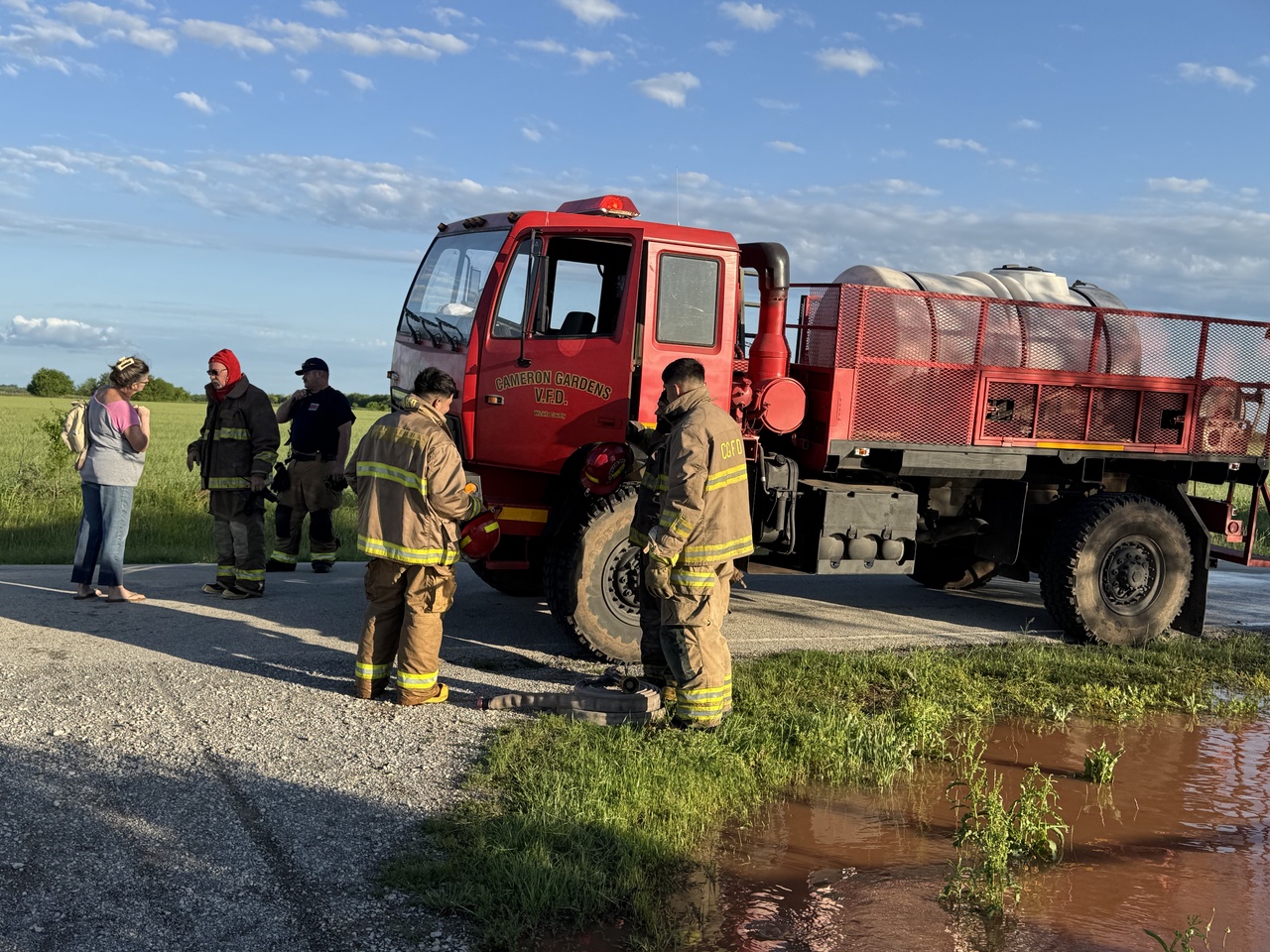
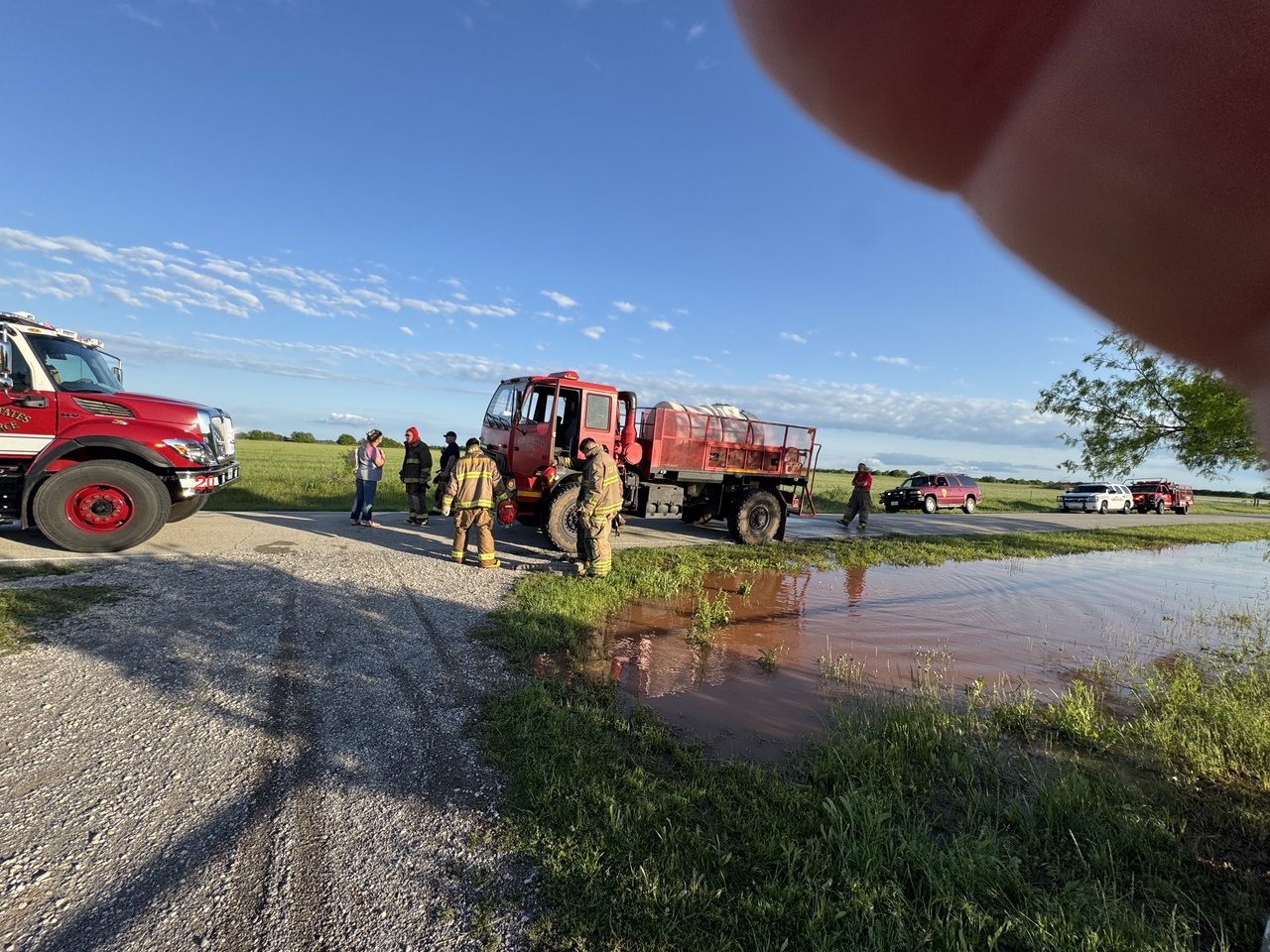
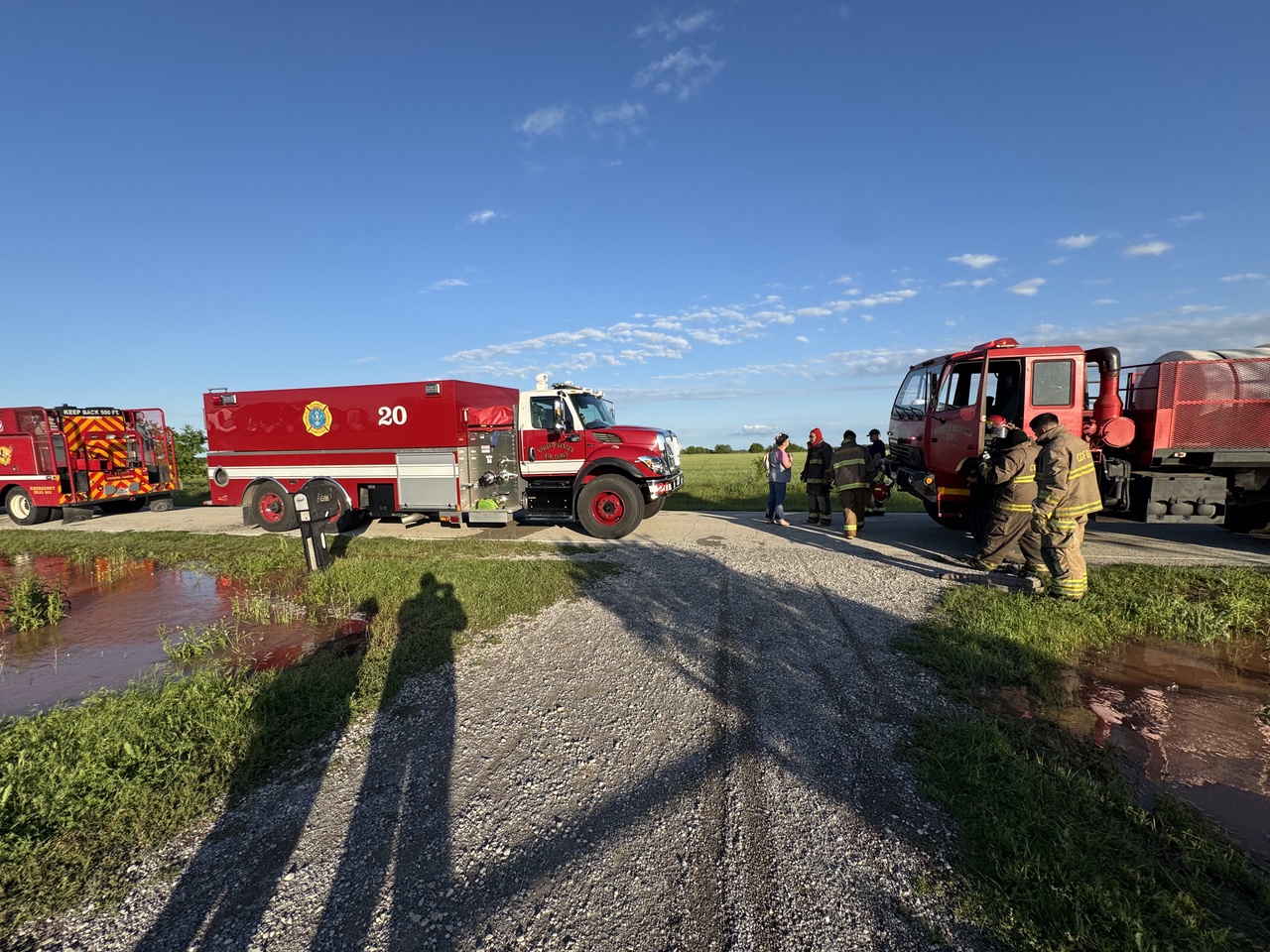
Eventually, we arrive. Fire trucks from neighboring towns clog the driveway. Volunteer forces teaming up. The farm road nearly underwater from rain. The irony isn’t lost on me: wading through water to fight fire.
Turns out Mel was on her back porch with her brother and an electrician, drinking a beer and griping about her neighbor’s burning trash. The electrician smelled it first—electrical smoke.
“Call 911,” he barked.
They rushed inside. Felt heat in the ceiling. Kitchen fire. It could’ve been much worse.
She’s worried now about her koi pond and her freezers. The electric meter has been pulled. No power until the wiring’s cleared.
It’s a mess, but everyone is safe. The electrician’s bringing a generator. Insurance is coming tomorrow. For now, it’s contained.
Un-contained is the tension between us. It lingers, but we manage kindness. Mel seems almost cheerful, but that’s her way—always dancing on the edge of manic.
An hour later, we’re home. Quieter. Calmer. But there's a chill in the air between us. I hate this part—the aftermath of an argument. I always wonder: Is this just how things are now?
I distract myself by organizing pantry donations.
Then, from the main room: the first notes of The Midnight Special pilot—1972. John Denver, Argent, the Everly Brothers, Harry Chapin. YouTube playing on the big screen.
Music. It’s divine intervention.
By the end of Country Roads, I’m myself again. Two hours later, after Lightfoot, Fogelberg, The Who, Zeppelin, James Gang… I’m sitting here, writing. Heart mended.
I do wish she had more energy for people. But she’s tired, just like I am. Worn out by life’s constant demands and the things we’ve lost. Me—I write. I find peace in prose. I haven’t figured out where she goes to hide. Probably instagram.
I’ll think about all this tomorrow. I won’t remember the tension—just that we helped a friend and heard some great music.
Good night, and godspeed, dear reader.
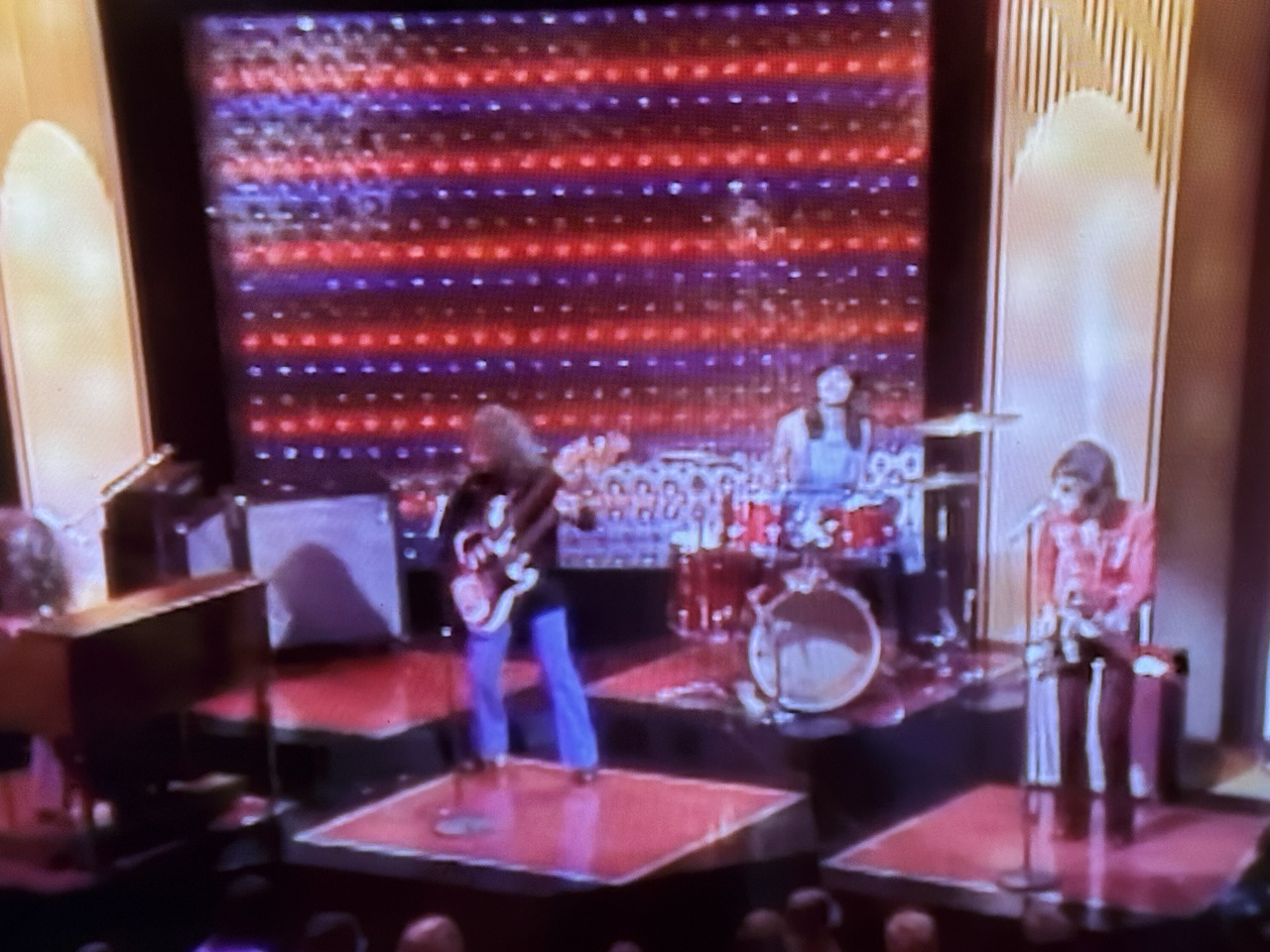
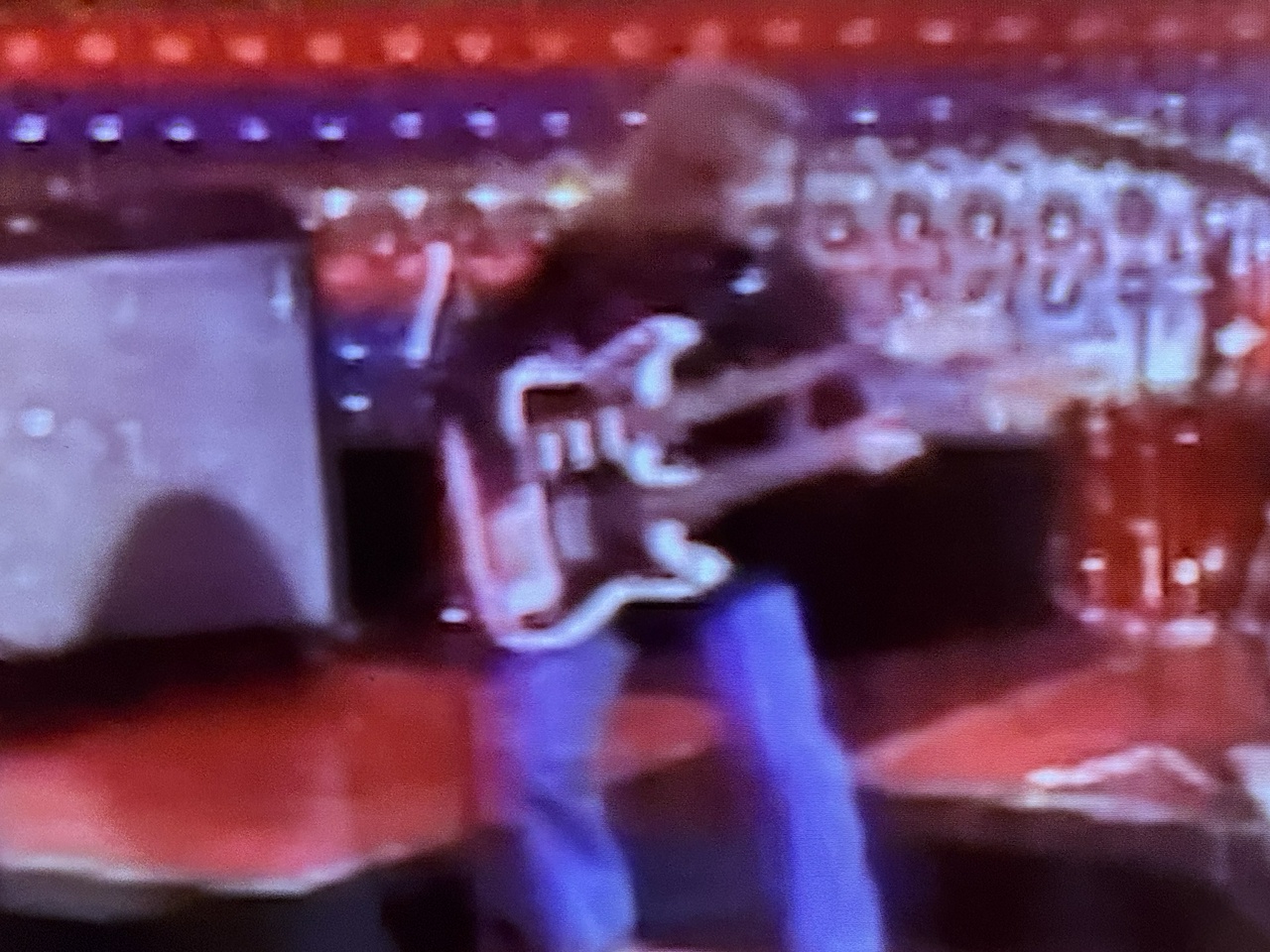
To hell with looper pedals, look at that majestic axe!!!
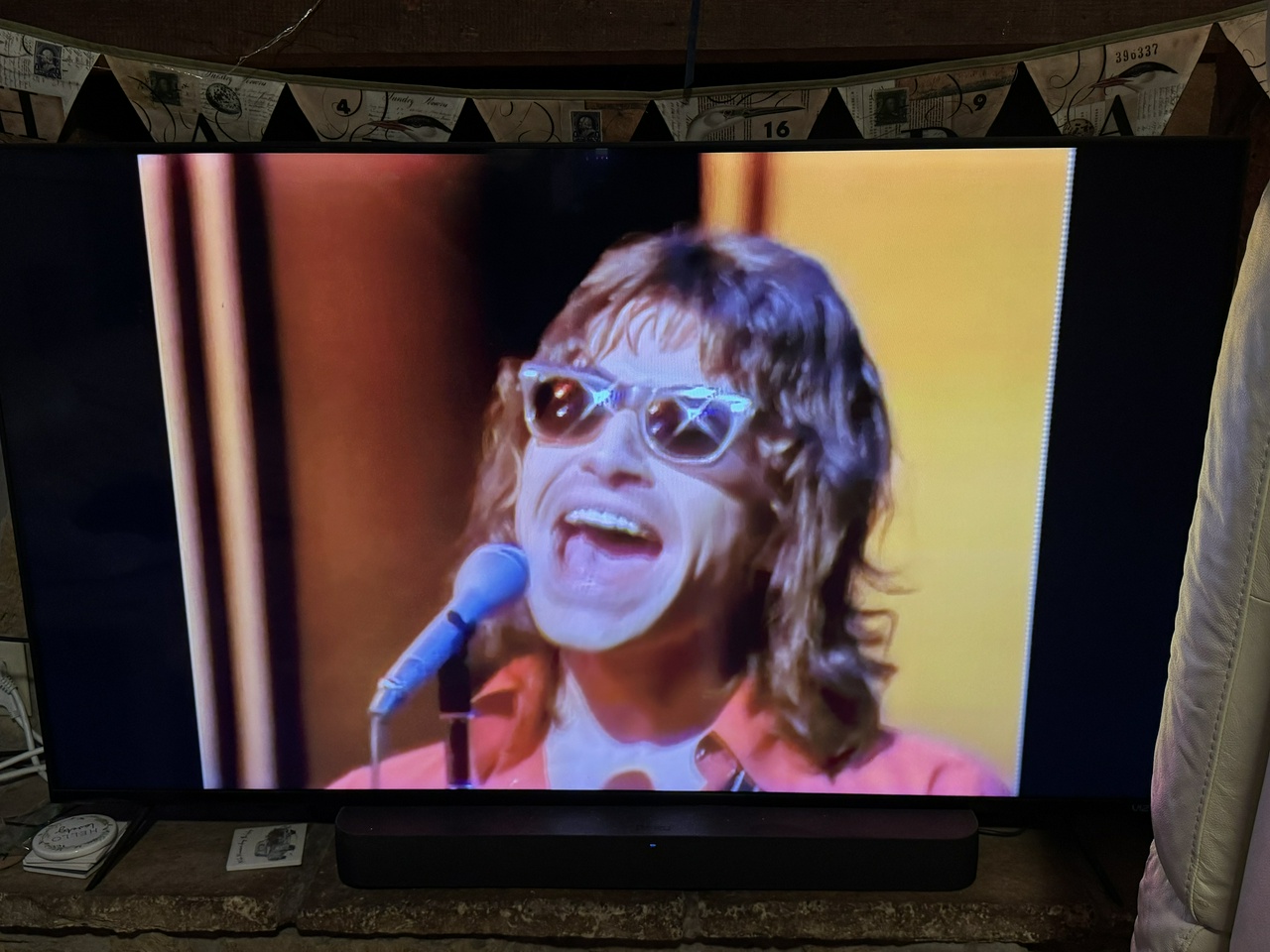
Hold your head up HIIIGGGHHH!!

WolfCast Home Page – Listen, follow, subscribe
Thank you for coming here and walking through the garden of my mind. No day is as brilliant in its moment as it is gilded in memory. Embrace your experience and relish gorgeous recollection.
Into every life a little light will shine. Thank you for being my luminance in whatever capacity you may. Shine on, you brilliant souls!
— Go back home and read MORE by Wolf Inwool
— Visit the archive
I welcome feedback at my inbox